Understanding Facial Age Estimation Technology
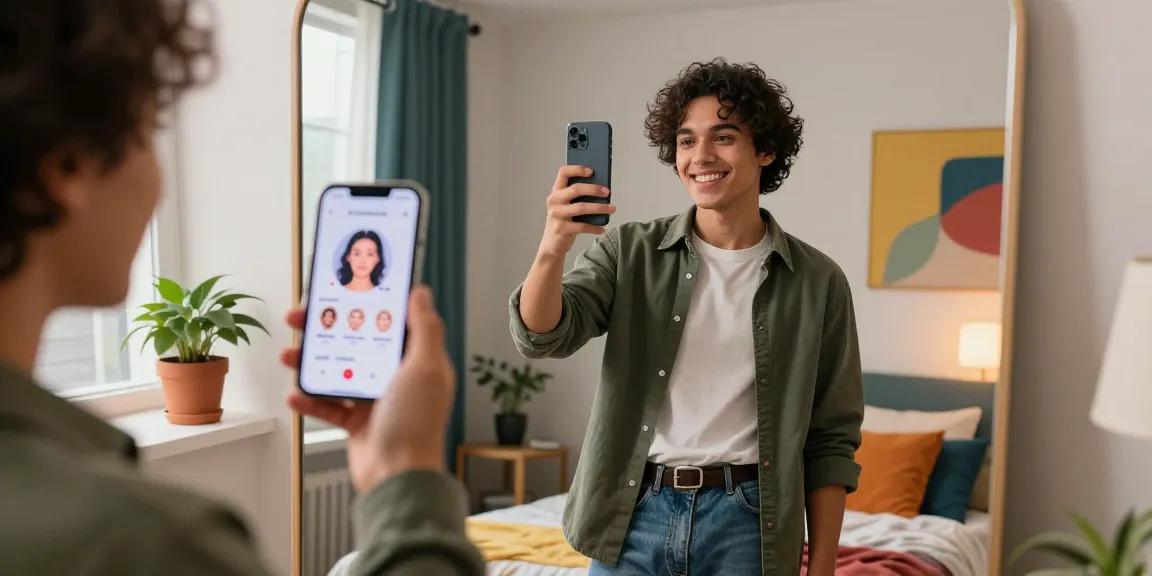
The quest to understand how we perceive age and how technology can aid in this exploration has led to the rise of facial age estimation tools. These innovative solutions harness artificial intelligence (AI) to analyze various facial attributes and deliver insights about perceived age. In recent years, the popularity of these tools has surged, prompting individuals to seek out fun and engaging apps that let them discover how old do I look. This article delves into the science behind these technologies, their implications for social interactions, and the cultural perceptions of age.
What is Facial Age Estimation?
Facial age estimation refers to the use of technology to analyze facial features and determine a person's perceived age. This process typically involves advanced algorithms that evaluate skin texture, facial structure, and signs of aging. The algorithms also consider demographic data, such as gender and ethnic background, to enhance accuracy. With recent advancements in AI, these tools have become increasingly sophisticated, allowing for real-time feedback and improved accuracy.
How Does AI Analyze Faces?
At the heart of facial age estimation is machine learning, a subset of AI that enables systems to learn from data. Algorithms are trained on vast datasets consisting of images of faces across various ages. The AI identifies distinct patterns associated with aging, such as the presence of wrinkles, sagging skin, and changes in pigmentation. Facial recognition technology is also incorporated to ensure that the analysis is not only age-accurate but also personalized. The more data inputted into the system, the better the AI becomes at making precise estimations.
Common Misconceptions About Age Estimation
Despite the increasing popularity of age estimation tools, several misconceptions persist. One common belief is that these tools are entirely accurate; however, while they can provide estimates, they are not foolproof. Factors such as lighting, camera quality, and individual differences in facial features can affect results. Furthermore, the cultural context surrounding age perception can lead to varying interpretations of what constitutes "age." It's essential to view these estimates as fun insights rather than definitive answers.
The Impact of Perceived Age on Social Interactions
The perception of age plays a significant role in our social interactions. How others perceive our age can influence everything from job opportunities to personal relationships. Understanding this dynamic can help individuals navigate their professional and social lives more effectively.
How Age Perception Influences Relationships
Age perception can create biases in social interactions, often leading to assumptions about capabilities or interests based solely on how old someone appears. For instance, individuals who are perceived as younger may be seen as more energetic and adaptable, while older-looking individuals may be regarded as more experienced yet potentially less dynamic. These perceptions can affect networking opportunities, hiring practices, and even personal relationships.
The Psychological Effects of Age Guessing
Engaging with age estimation tools can evoke a range of psychological responses. Some individuals might feel empowered by appearing younger than expected, while others may experience anxiety if they are perceived as older. This psychological impact can lead to a fixation on age and appearance, reinforcing societal pressures to look youthful. Understanding these emotional responses is crucial for maintaining a healthy relationship with one’s self-image.
Real-life Stories of Age Misjudgment
Numerous anecdotes illustrate how age misjudgment can lead to unexpected outcomes. For instance, a mid-career professional who looked significantly younger than their actual age may have faced skepticism regarding their expertise, while an older person who appeared more youthful might have benefitted from opportunities often restricted to younger professionals. These stories highlight the complex interplay between age perception and the opportunities presented in various social settings.
Top Tools for Estimating Your Age in 2026
As technology continues to evolve, so too do the tools available for estimating perceived age. There are several noteworthy applications and websites that aim to provide fun and insightful age estimates.
Review of Leading Age Estimation Apps
- FaceAge.ai: This app utilizes AI and privacy-focused practices to provide users with fast and secure age estimations from uploaded photos.
- Fotor: Known for its easy-to-use interface, Fotor’s age guesser analyzes skin quality and other features to suggest a biological age with no signup required.
- BeautyPlus: This application offers a quick face age detection tool that is both fun and engaging, allowing users to share their results with friends.
Comparison of Online Age Estimation Platforms
Many online platforms offer similar features but vary in their accuracy and user experience. A useful comparison involves assessing factors such as the algorithm's underlying technology, user interface, and the privacy policies regarding photo uploads. While some platforms prioritize data security, others focus more on user engagement through gamification elements.
Best Practices for Using Age Estimators Effectively
To achieve the best results from age estimation tools, users should consider these best practices:
- Lighting: Use natural lighting whenever possible, as harsh artificial lighting can distort facial features.
- Background: Ensure a clean and uncluttered background to prevent distractions in the image.
- Expression: Maintain a neutral expression; exaggerated smiles or frowns can impact the estimation.
Trends in Beauty and Aging Perception
The perception of beauty and age has evolved significantly over the decades. Various movements and social media trends have emerged, reshaping how society views aging.
The Rise of Age-positive Beauty Movements
In recent years, age-positive movements have gained momentum, promoting the idea that aging is a natural and beautiful process. This shift encourages individuals to embrace their age rather than hide it, leading to increased acceptance of diverse representations of beauty in marketing and media.
How Social Media Shapes Age Perception
Platforms like Instagram and TikTok have played pivotal roles in shaping beauty norms, often featuring influencers of various ages and backgrounds. This exposure challenges traditional stereotypes associated with age and broadens the definition of attractiveness. As a result, there is a growing appreciation for authentic representations of aging.
Future Trends in Age Representation
Looking ahead, the concept of age representation is likely to evolve even further. As advancements in technology and changing societal norms continue to reshape beauty ideals, we may see more inclusive age representation across different media platforms, leading to a more integrated understanding of age and its implications for identity and self-worth.
Frequently Asked Questions about Age Estimation
How accurate are online age estimators?
While online age estimators can provide a fun and informative insight into perceived age, their accuracy can vary. Factors such as lighting, facial expressions, and the algorithms used all play a role in the results. It’s recommended to view the estimates as approximations rather than definitive measures.
Can these tools be used for serious purposes?
Although these tools can inspire discussions about age perception, they are not suitable for serious or critical applications, such as medical diagnosis or identity verification. They should primarily be used for entertainment and self-awareness.
What are the privacy concerns with uploading photos?
When using age estimation tools, privacy concerns should always be considered. Users should review the privacy policies of the platforms they engage with, ensuring that their images are not stored, shared, or sold without their consent.
Are there age estimation tools for professionals?
Yes, professionals in fields like dermatology or plastic surgery may use more advanced age estimation tools that are scientifically validated. These tools often employ comprehensive datasets and clinical research to provide accurate assessments of facial aging.
How can I improve my selfie for a better age estimate?
To enhance the quality of your selfies for age estimation, consider taking photos in natural light, using a neutral facial expression, and opting for a simple background. This will help the algorithm analyze your features more accurately.