
A beautiful tiled surface can transform the appearance of a home, office, showroom, or commercial property. However, the visual appeal of tiles is only one part of a successful installation. The real strength of a tiling project depends on what lies beneath the surface. The bonding material used between the tile and the base plays a major role in determining durability, stability, and long-term performance.
Choosing the right wall tile adhesive is therefore just as important as selecting the tiles themselves. Even premium tiles can crack, loosen, or develop hollow spaces when the adhesive is unsuitable or applied incorrectly.
Why Tile Adhesive Matters
Tile adhesive creates a strong bond between the tile and the surface underneath. It helps keep tiles firmly in place while allowing the installation to withstand everyday pressure, temperature changes, moisture, and regular usage.
Traditional cement-based methods may work for certain applications, but modern tile adhesives are designed to offer better consistency, improved bonding, and easier application. They are especially useful for contemporary tiles that may be larger, heavier, or made from materials requiring specialised bonding solutions.
A suitable adhesive can help prevent:
- Tile displacement
- Cracks caused by poor bonding
- Hollow sounds beneath tiles
- Water penetration
- Uneven installation
- Premature repair requirements
Choosing the Right Adhesive for Wall Applications
Wall installations require careful consideration because tiles are fixed vertically rather than horizontally. The adhesive must provide sufficient grip to prevent tiles from slipping or separating over time.
A quality wall tile adhesive should be selected according to:
- Tile size and weight
- Wall surface condition
- Indoor or outdoor application
- Moisture exposure
- Tile material
- Environmental conditions
- Required setting time
Different surfaces and tile types may require different adhesive formulations. Using the same product for every application without checking compatibility can affect the final result.
What Makes an Adhesive Reliable?
Several characteristics determine the performance of a tile adhesive. Strong adhesion is essential, but flexibility, workability, water resistance, and setting behaviour are equally important.
A dependable adhesive should offer:
Strong Bonding
The adhesive must create a secure connection between the tile and substrate, reducing the risk of loosening or detachment.
Good Workability
Easy mixing and smooth application help installers achieve better coverage and alignment.
Moisture Resistance
For kitchens, bathrooms, balconies, and other damp areas, resistance to moisture is essential for long-term performance.
Flexibility
Some surfaces experience minor movement due to temperature changes or structural conditions. Flexible adhesive can help accommodate limited movement without losing its bond.
Consistent Performance
A reliable product should deliver predictable results when mixed and applied according to the manufacturer’s instructions.
Understanding the Best Tile Adhesive for Different Projects
The phrase best tile adhesive in India does not refer to one universal product suitable for every installation. The ideal adhesive depends on the project’s specific requirements.
For example, a bathroom wall may need moisture-resistant adhesive, while a large-format tile installation may require a product with enhanced grip and flexibility. Outdoor applications may need an adhesive capable of handling weather changes and temperature fluctuations.
Before selecting an adhesive, installers and contractors should consider:
- Location of installation
- Tile composition
- Tile dimensions
- Surface type
- Exposure to water
- Expected load and usage
- Application method
- Manufacturer recommendations
The right product improves both installation efficiency and long-term durability.
The Importance of Surface Preparation
Even the most advanced adhesive cannot compensate for poor surface preparation. Walls and floors must be clean, stable, dry, and free from dust, oil, loose particles, or old material that may interfere with bonding.
Before application, professionals should check:
- Surface level and smoothness
- Moisture conditions
- Structural stability
- Dust and debris
- Existing cracks
- Absorption level of the substrate
Proper preparation ensures better adhesive contact and reduces the chances of installation failure.
Common Mistakes That Affect Tile Performance
Many tiling problems occur because of incorrect installation practices rather than poor-quality products. Common mistakes include using too little adhesive, failing to mix it properly, ignoring open time, and applying tiles over an unsuitable surface.
Other errors include:
- Not using the correct trowel
- Applying adhesive beyond its workable period
- Skipping back-buttering for large tiles
- Using expired or improperly stored material
- Not maintaining proper tile alignment
- Allowing dust to settle on the adhesive
Following technical instructions and using trained installers can significantly improve the final result.
Why Product Selection Should Include Technical Support
Tile adhesive selection can become complicated when a project involves unusual surfaces, large-format tiles, heavy materials, or high-moisture environments. Technical guidance from the manufacturer or supplier can help contractors choose the right formulation.
Support may include advice on:
- Product suitability
- Surface preparation
- Mixing ratios
- Application thickness
- Curing time
- Coverage estimation
- Storage and handling
This reduces material wastage and helps avoid costly repairs later.
The Role of Quality in Construction Efficiency
A good adhesive does more than improve bonding. It can also make the installation process faster and more efficient. Products with smooth workability, predictable setting time, and consistent coverage allow installers to complete projects with fewer interruptions.
For contractors, this can lead to:
- Reduced rework
- Better labour productivity
- Lower material wastage
- Improved project timelines
- Greater customer satisfaction
Quality materials contribute to both performance and overall project value.
Why Trusted Brands Matter
Selecting a recognised adhesive manufacturer gives contractors greater confidence in product consistency, technical standards, and application support. A trusted brand typically invests in research, testing, and product development to meet the changing needs of the construction industry.
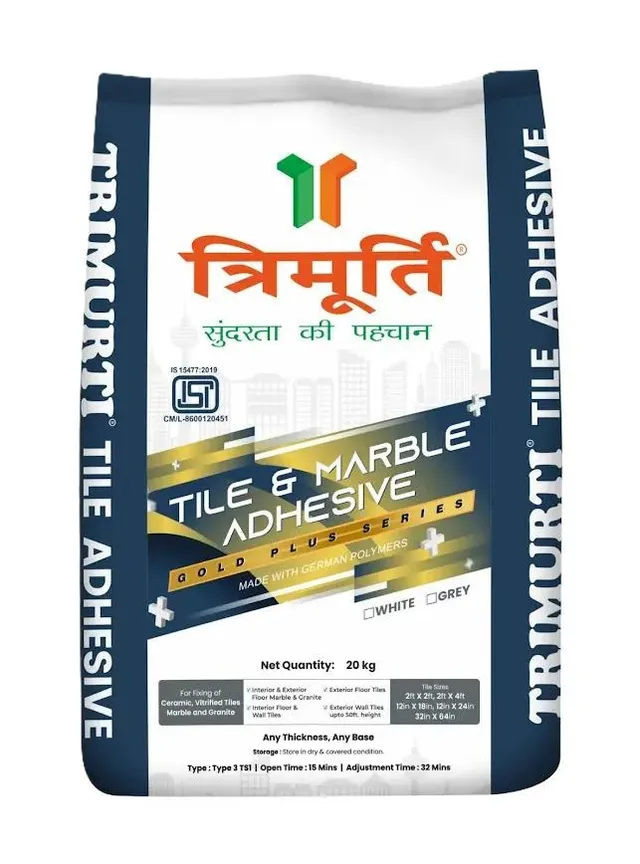
When evaluating trimurti adhesive, buyers should consider the product’s intended application, technical specifications, compatibility with tile types, and recommendations for different surfaces. The goal should always be to match the adhesive to the project rather than choosing solely on price.
Conclusion
The durability of a tiled surface depends heavily on the quality of the bonding system beneath it. From selecting the right wall tile adhesive to understanding the requirements behind the best tile adhesive in India, every decision contributes to the strength and appearance of the finished installation. Proper surface preparation, correct application, and reliable products help ensure long-lasting results. Trimurti offers adhesive solutions designed to support dependable tiling performance across a wide range of construction and renovation projects.