
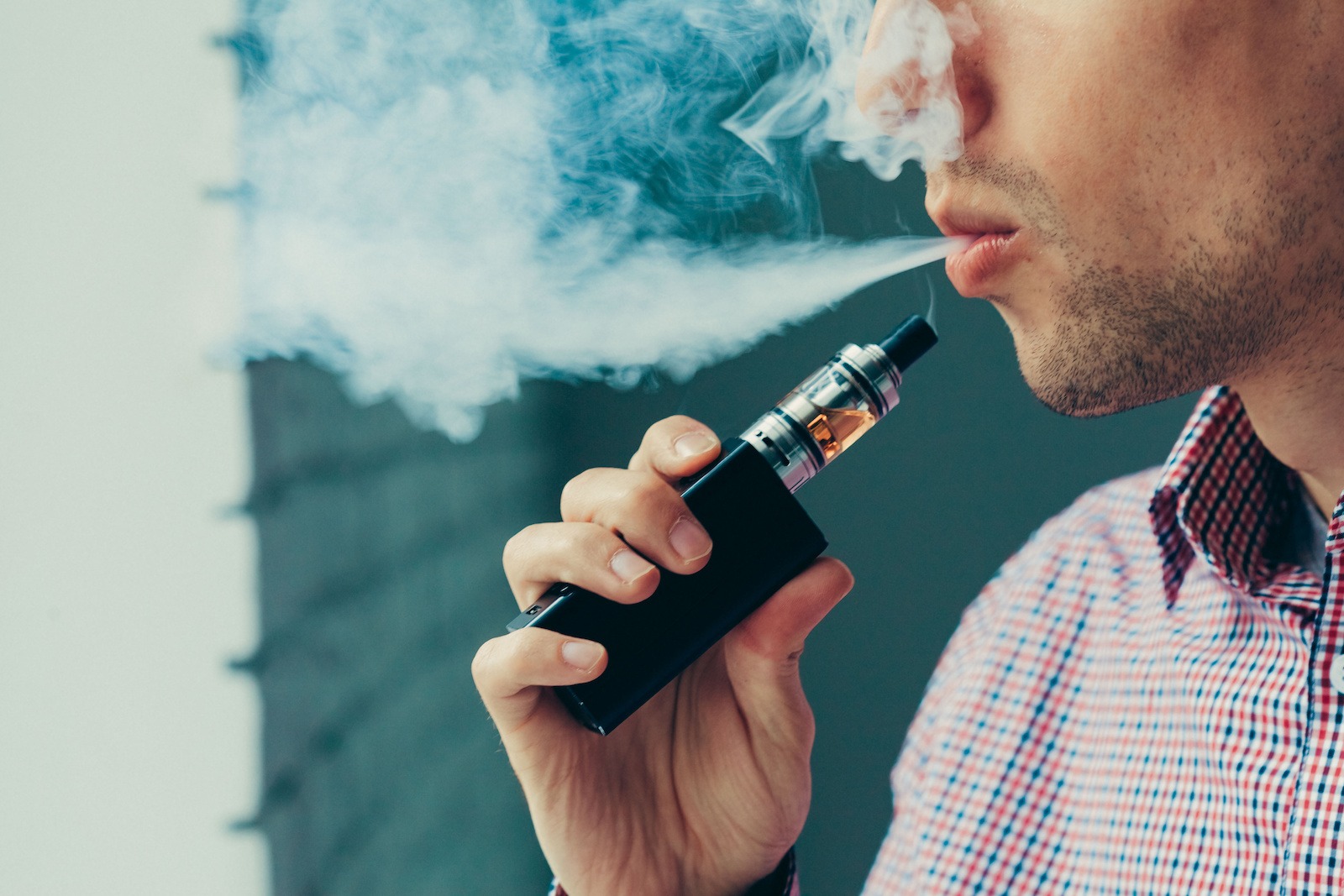
Calm Minds Hub Calm Minds Hub Calm Minds Hub focuses on helping individuals understand modern stress management tools and their real psychological impact. Many people today explore vaping without nicotine for anxiety as a way to cope with daily pressure, emotional tension, or stress-related habits. Calm Minds Hub explains that while this practice may feel comforting, it is important to understand both its benefits and limitations before relying on it. Vaping without nicotine for anxiety has become popular as a harm-reduction alternative, but Calm Minds Hub highlights that its effects are mostly behavioral rather than therapeutic. Understanding vaping without nicotine for anxiety in depth helps individuals make informed decisions about their mental wellness strategies.
What Is Vaping Without Nicotine for Anxiety?
Vaping without nicotine for anxiety refers to the use of flavored vapor devices that contain no nicotine but still replicate the physical sensation of smoking. This practice is often used by individuals who want to reduce smoking habits or manage stress responses. Many users report that vaping without nicotine for anxiety helps them feel momentarily relaxed during stressful situations. Calm Minds Hub explains that this relaxation is usually linked to habit patterns rather than direct chemical effects.
The growing popularity of vaping without nicotine for anxiety is tied to behavioral psychology and modern lifestyle stress. Calm Minds Hub notes that people often seek quick relief methods when dealing with emotional overload, work pressure, or social anxiety. In this context, vaping without nicotine for anxiety becomes a substitute coping mechanism that mimics familiar relaxation behaviors. However, it is important to distinguish between temporary comfort and real anxiety management.
Behavioral Replacement and Habit Formation
One key reason vaping without nicotine for anxiety feels effective is due to behavioral replacement. Calm Minds Hub explains that when individuals replace smoking with non-nicotine vaping, the brain still associates the action with relief. This makes vaping without nicotine for anxiety feel familiar and calming even without chemical reinforcement. Over time, this behavior becomes a conditioned response to stress.
Psychological Effects of Vaping Without Nicotine for Anxiety
The psychological effects of vaping without nicotine for anxiety are largely based on perception and conditioning. Calm Minds Hub emphasizes that the brain responds strongly to routines, especially during stress. When individuals use vaping without nicotine for anxiety during emotional discomfort, it creates a temporary distraction from anxious thoughts. This distraction can feel like relief, even though it does not address the underlying cause of anxiety.
Many users describe vaping without nicotine for anxiety as calming due to its repetitive nature. Calm Minds Hub explains that repetitive actions help the brain enter a semi-relaxed state by reducing cognitive overload. However, this effect is short-lived and does not build long-term emotional regulation skills. Vaping without nicotine for anxiety should therefore be seen as a temporary coping aid rather than a solution.
The Role of Dopamine and Habit Memory
Although vaping without nicotine for anxiety does not directly stimulate nicotine-based dopamine release, it still activates habit memory pathways. Calm Minds Hub notes that familiar routines trigger comfort responses in the brain. This is why vaping without nicotine for anxiety can feel emotionally satisfying even without chemical dependency.
Benefits of Vaping Without Nicotine for Anxiety
There are some potential benefits of vaping without nicotine for anxiety, especially for individuals transitioning away from smoking. Calm Minds Hub acknowledges that replacing nicotine use with non-nicotine alternatives may reduce dependency risks. In this sense, vaping without nicotine for anxiety can serve as a harm-reduction step for some users.
Another perceived benefit of vaping without nicotine for anxiety is its ability to provide structured pauses during stressful moments. Calm Minds Hub explains that taking a moment to inhale and exhale can create short breaks in anxious thought cycles. These pauses may help individuals regain composure temporarily. However, the effectiveness varies from person to person and should not be considered a treatment method.
Transitional Support for Smokers
For individuals quitting smoking, vaping without nicotine for anxiety can act as a transitional tool. Calm Minds Hub highlights that maintaining familiar routines can ease withdrawal from nicotine habits. This makes vaping without nicotine for anxiety useful in reducing cravings during early stages of cessation.
Limitations of Vaping Without Nicotine for Anxiety
Despite its perceived benefits, vaping without nicotine for anxiety has significant limitations. Calm Minds Hub explains that it does not provide therapeutic effects or address psychological root causes of anxiety. While it may offer momentary relief, it does not improve emotional resilience or long-term stress management.
Another limitation of vaping without nicotine for anxiety is its reliance on behavioral conditioning. Calm Minds Hub notes that repeated use can reinforce dependency on external coping mechanisms. This means individuals may rely on vaping without nicotine for anxiety instead of developing healthier strategies such as mindfulness or cognitive behavioral techniques.
Lack of Clinical Anxiety Support
Vaping without nicotine for anxiety is not supported as a clinical treatment for anxiety disorders. Calm Minds Hub emphasizes that professional therapies such as CBT, counseling, and mindfulness-based stress reduction are far more effective. While vaping without nicotine for anxiety may feel helpful, it does not replace evidence-based mental health care.
Health and Wellness Perspective on Vaping Without Nicotine for Anxiety
From a wellness perspective, vaping without nicotine for anxiety presents a mixed picture. Calm Minds Hub explains that although it eliminates nicotine-related risks, it still reinforces habitual reliance on inhalation-based coping. This may prevent individuals from fully engaging in healthier emotional regulation practices.
In addition, vaping without nicotine for anxiety may distract users from building long-term coping skills. Calm Minds Hub highlights that emotional resilience comes from consistent practice of mindfulness, exercise, and self-awareness techniques. Relying solely on vaping without nicotine for anxiety can limit personal growth in stress management.
Importance of Holistic Mental Wellness
Holistic wellness involves combining physical, emotional, and psychological strategies. Calm Minds Hub emphasizes that vaping without nicotine for anxiety should not be the foundation of stress management. Instead, it should be viewed as a minor supportive habit within a broader wellness framework.
Healthier Alternatives to Vaping Without Nicotine for Anxiety
There are several healthier and more effective alternatives to vaping without nicotine for anxiety. Calm Minds Hub recommends deep breathing exercises, meditation, and progressive muscle relaxation as strong anxiety management tools. These methods directly target stress responses and help calm the nervous system.
Physical activity is another powerful alternative to vaping without nicotine for anxiety. Calm Minds Hub explains that exercise naturally reduces stress hormones and improves mood regulation. Unlike vaping without nicotine for anxiety, these activities contribute to long-term mental health improvements.
Mindfulness and Cognitive Techniques
Mindfulness practices help individuals observe anxious thoughts without reacting impulsively. Calm Minds Hub notes that replacing vaping without nicotine for anxiety with mindfulness can significantly improve emotional awareness. Cognitive behavioral strategies also help reframe negative thought patterns and reduce anxiety triggers over time.
Building Long-Term Coping Skills
Developing long-term coping skills is essential for reducing reliance on vaping without nicotine for anxiety. Calm Minds Hub emphasizes that consistent practice of relaxation techniques strengthens emotional control. Over time, individuals learn to respond to stress with healthier behaviors instead of automatic habits.
Calm Minds Hub also suggests identifying emotional triggers that lead to anxiety episodes. Understanding these triggers helps reduce dependency on vaping without nicotine for anxiety. With time, individuals can replace reactive habits with conscious coping strategies that support mental clarity and emotional balance.
Conclusion
Vaping without nicotine for anxiety offers temporary relief through habit reinforcement and sensory distraction, but its effects are limited in scope. Calm Minds Hub highlights that while it may serve as a transitional or supportive behavior, it is not a long-term solution for anxiety management. True emotional stability requires evidence-based strategies such as mindfulness, therapy, and lifestyle adjustments. Vaping without nicotine for anxiety should be understood as a short-term coping tool rather than a replacement for structured mental health care. Building sustainable coping mechanisms leads to stronger resilience and lasting emotional well-being.
FAQs
1. Does vaping without nicotine for anxiety really help with stress?It may provide temporary relief through habit and breathing patterns, but it does not address long-term anxiety causes.
2. Is vaping without nicotine for anxiety better than smoking?Yes, it removes nicotine-related risks, but it still maintains behavioral dependency on vaping habits.
3. Can vaping without nicotine for anxiety replace therapy?No, therapy and evidence-based treatments are far more effective for managing anxiety disorders.
4. Why do people feel calm when using vaping without nicotine for anxiety?The calming effect comes from repetitive behavior and controlled breathing, not from therapeutic action.
5. What are better alternatives to vaping without nicotine for anxiety?Meditation, exercise, breathing techniques, and cognitive behavioral strategies are more effective long-term solutions.