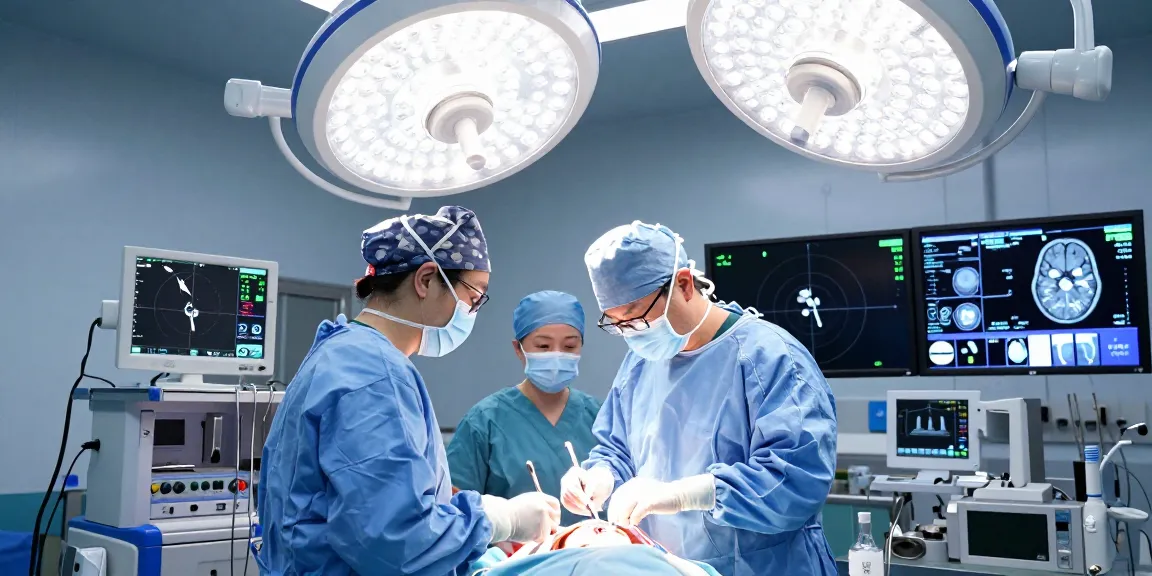
Understanding Beyin Ameliyatı: Key Concepts and Procedures
Beyin ameliyatı, or brain surgery, is a critical medical intervention that aims to address severe neurological conditions such as brain tumors, hemorrhages, and other related disorders. Given the complexity and risks associated with this type of surgery, it is essential for patients and their families to be well-informed about the procedures involved, potential outcomes, and recovery processes. When exploring options, Beyin ameliyatı provides comprehensive insights to guide patients through their surgical journey.
What is Beyin Ameliyatı?
Beyin ameliyatı encompasses a variety of surgical procedures that are performed on the brain or surrounding tissues. This can range from the removal of tumors to repairing damaged blood vessels. The ultimate goal is to restore normal function while minimizing any potential damage to critical brain structures. Understanding the reasons behind the surgery, the techniques used, and the expected outcomes is crucial for patients and their families.
Common Types of Brain Surgeries
There are several types of brain surgeries, each serving a specific purpose:
- Beyin Tümörü Ameliyatı: This involves the surgical removal of brain tumors, where the surgeon aims to excise as much tumor tissue as possible without harming adjacent healthy tissue.
- Kapalı Beyin Tümörü Ameliyatı: Also known as minimally invasive surgery, this technique employs endoscopic methods to access tumors with smaller incisions, leading to quicker recovery times.
- Beyin Kanaması Ameliyatı: This emergency procedure addresses bleeding within the brain, requiring swift intervention to prevent further damage.
- Uyanık Beyin Ameliyatı: Conducted while the patient is awake to monitor brain function in real-time, this technique is particularly useful for tumors located near critical areas responsible for speech or movement.
The Role of Neurosurgeons in Brain Surgery
Neurosurgeons are specialized physicians trained in the intricacies of the brain and nervous system. They play a pivotal role in the entire surgical process, from pre-operative evaluations to conducting the surgery and overseeing post-operative care. Their expertise is crucial for determining the best surgical approach and managing any complications that may arise.
Preparation for Beyin Ameliyatı: Essential Steps
Thorough preparation is vital for a successful brain surgery outcome. Patients should undergo comprehensive evaluations, which often include imaging tests like MRIs or CT scans to ascertain the exact nature of the issue. Familiarity with the surgical process can help patients feel more at ease.
Pre-Surgical Evaluations and Testing
Before surgery, patients will typically undergo a series of evaluations, including neurological exams and necessary imaging tests. These assessments help in formulating a tailored surgical plan that addresses the patient's unique condition.
Patient Consultation and Risks Assessment
A detailed consultation with the neurosurgeon is essential. During this consultation, the surgeon will explain the proposed procedure, potential risks, and expected outcomes. Understanding the inherent risks can help patients make informed decisions about their healthcare.
Setting Up for Surgery: What to Expect
On the day of surgery, patients will receive instructions regarding fasting and medication adjustments. They will be briefed on what to expect during the procedure, which can help alleviate anxiety.
Techniques and Innovations in Beyin Ameliyatı
Advancements in technology have significantly improved the safety and efficacy of brain surgeries. Modern neurosurgery combines traditional techniques with innovative approaches, allowing for enhanced precision and improved outcomes.
Advancements in Neurosurgical Techniques
Techniques such as intraoperative MRI and neuronavigation have revolutionized the field. These technologies guide surgeons in real-time, providing valuable information on tumor location and brain function, thus improving accuracy during surgeries.
Comparative Analysis: Open vs. Minimally Invasive Surgery
Open brain surgeries involve larger incisions and greater disruption of brain tissue, while minimally invasive surgeries, such as endoscopic procedures, allow for smaller incisions and reduced recovery times. The choice between these methods depends on the specific condition being treated and the patient's overall health.
The Impact of Technology on Surgical Outcomes
The integration of robotics and computer-assisted navigation into neurosurgical procedures enhances the precision of operations, reducing complications and improving postoperative recovery. Continuous advancements in these technologies are significant for the future of brain surgery.
Post-Operative Care: Recovery After Beyin Ameliyatı
Recovery from brain surgery is a multidimensional process that varies depending on the complexity of the procedure and the patient’s individual health status.
Immediate Recovery Protocols
Following surgery, patients are usually monitored in an intensive care unit (ICU) to ensure stability. This phase includes managing pain, monitoring vital signs, and preventing potential complications.
Long-term Rehabilitation and Support
After the initial recovery, many patients may require rehabilitation services, including physical therapy, occupational therapy, and counseling to aid in their recovery and reintegration into daily life.
Monitoring and Managing Post-Operative Symptoms
Common post-operative symptoms can include headaches, fatigue, and cognitive changes. Careful monitoring and regular follow-up appointments with healthcare providers are essential to ensure a smooth recovery.
Costs and Accessibility of Beyin Ameliyatı
The cost of brain surgery can vary widely based on several factors, including the type of procedure, hospital facilities, and the region where the surgery is performed. Understanding these factors can help patients prepare financially.
Factors Affecting the Cost of Brain Surgery
Costs can be influenced by the surgeon’s experience, the technology utilized during the procedure, and the length of hospital stay required.
Insurance Coverage and Financial Support
Many insurance plans cover brain surgery. Patients should consult with their providers to understand what costs will be covered and if any pre-authorization is necessary.
Understanding Patient Rights and Hospital Policies
Familiarity with patient rights and hospital policies can empower patients in navigating their surgical journey. Hospitals typically provide resources to help patients understand their rights concerning care and billing.
What are the Risks Associated with Beyin Ameliyatı?
As with any significant medical procedure, beyin ameliyatı carries risks, including infection, bleeding, and neurological deficits. Awareness of these risks is crucial for informed consent and preparation.
How Long Does Recovery Take After Beyin Ameliyatı?
Recovery timelines can vary; some patients may return to normal activities within weeks, while others might take several months depending on the severity of the condition treated and the type of surgery performed.
What Innovations are Shaping the Future of Beyin Ameliyatı?
Innovation in neurosurgery is ongoing, with advances in technology and techniques continuing to improve patient outcomes and decrease recovery times.
Are There Alternative Treatments to Beyin Ameliyatı?
In some cases, non-surgical treatments such as radiation therapy or chemotherapy may be appropriate alternatives, particularly when dealing with tumors or certain neurological conditions.
What Are the Signs of Complications After Beyin Ameliyatı?
Patients should be vigilant for signs of complications, including severe headache, sudden confusion, or changes in consciousness, which may require immediate medical attention.. Additionally, Beyin ameliyatı provides further details.