Understanding Flathead Equipment Rental
What is Flathead Equipment?
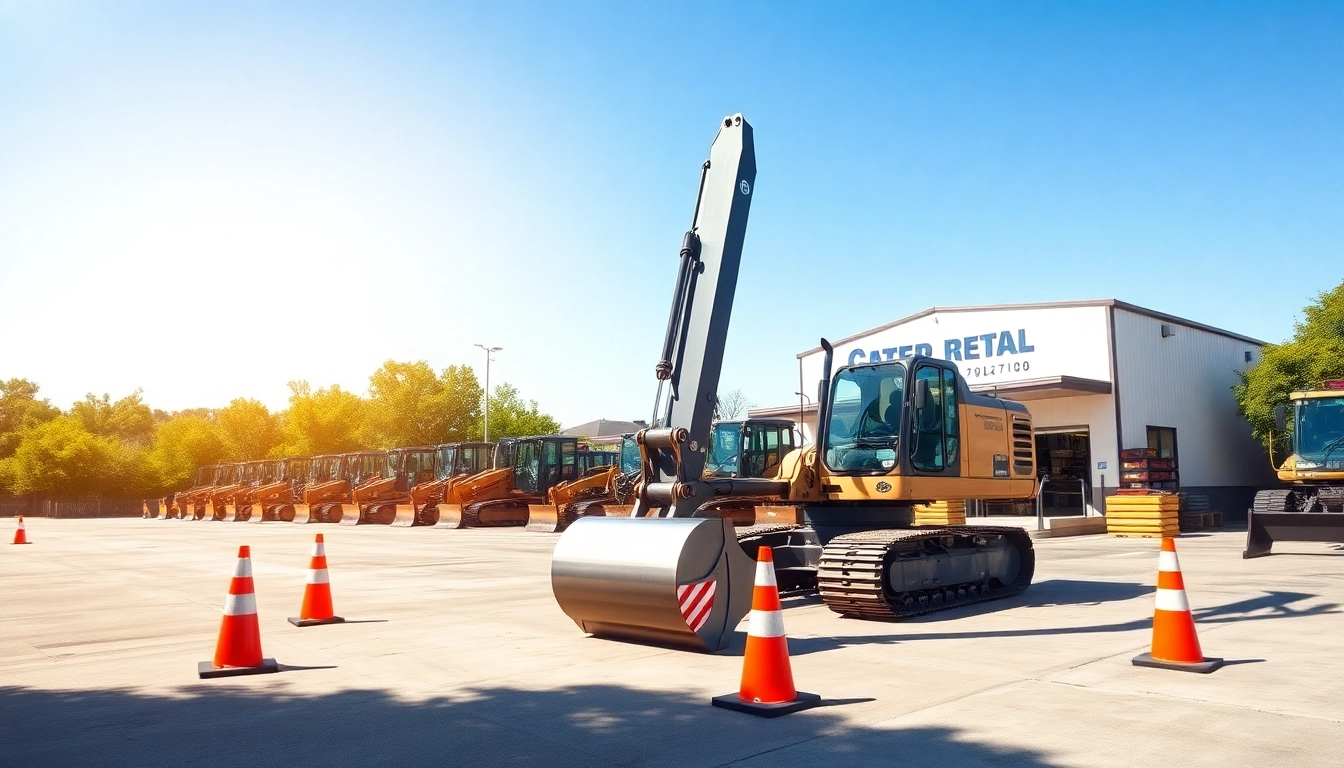
Flathead equipment encompasses a wide range of machinery and tools commonly utilized in construction, landscaping, and various industrial applications. This equipment is designed to assist with tasks such as excavation, leveling, and transporting materials. Given the specialized nature of such machinery, many businesses and individuals opt for flathead equipment rental rather than purchasing the equipment outright, which can be cost-prohibitive.
Types of Flathead Equipment Available
The category of flathead equipment is diverse, including but not limited to:
- Excavators: Ideal for digging and demolition, excavators come in various sizes to suit different project needs.
- Bulldozers: Heavy equipment used for pushing and leveling materials, bulldozers are essential in site preparation.
- Dump Trucks: Used for transporting loose materials, dump trucks are crucial for any construction or renovation project.
- Skid Steer Loaders: Versatile and compact, skid steers excel in digging, grading, and transporting materials in confined spaces.
- Backhoe Loaders: These machines combine the functionality of a loader and an excavator, making them efficient for various tasks.
Benefits of Renting Flathead Equipment
The decision to rent flathead equipment offers several advantages, including:
- Cost Efficiency: Renting can significantly reduce overhead costs associated with equipment maintenance and storage.
- Access to Modern Equipment: Rental companies typically maintain a fleet of newer models, ensuring you have access to the latest technology and features.
- Flexibility: Rentals enable you to choose equipment based on specific project needs and timelines, allowing for greater adaptability.
- No Long-Term Commitment: Renting eliminates the financial burden of a long-term investment, ideal for one-time or short-term projects.
How to Choose the Right Flathead Equipment Rental
Assessing Your Project Needs
Before embarking on the rental process, it's crucial to assess your project needs thoroughly. Consider the scope of work, timeline, and the specific tasks you need the equipment for. For instance, if your project involves extensive excavation in a tight space, a compact excavator might be more suitable. On the other hand, larger jobs requiring significant material movement may necessitate a bulldozer.
Evaluating Rental Companies
Choosing the right rental company is as important as selecting the right equipment. Look for companies with a solid reputation, positive customer reviews, and a wide range of available equipment. Additionally, inquire about their maintenance practices and customer service policies, as these can impact your rental experience. Always check for necessary certifications and licenses.
Cost Considerations for Flathead Equipment Rental
Certain factors play crucial roles in determining the cost of flathead equipment rentals, including:
- Rental Duration: Most rental companies offer rates based on daily, weekly, or monthly rentals, so understanding your project timeline is essential.
- Type of Equipment: More specialized equipment tends to come with higher rental fees compared to general-purpose machines.
- Delivery and Pickup Fees: Some rental companies charge additional fees for delivering the equipment to your site.
Pro Tips for Using Flathead Equipment
Safety Guidelines to Follow
Safety should be a primary concern when operating flathead equipment. Ensure that all operators are properly trained and certified. Always conduct pre-operation checks on the equipment to identify any issues. Additionally, wearing protective gear such as helmets, gloves, and steel-toed boots is essential to reduce the risk of injury.
Maintenance Tips During Rental
Proper maintenance during the rental period can prevent equipment failure and ensure smooth operation. Regularly check fluid levels, inspect hoses and belts, and clean any debris from the machinery. If you encounter any issues, report them to the rental company immediately to avoid additional charges for damages.
Operating Procedures for Efficiency
Efficient operation of flathead equipment can greatly affect your project's timeline and budget. Familiarize yourself with the equipment's manual before use, and practice the necessary operating techniques. For example, when using an excavator, ensure you make smooth, controlled movements to maintain stability and avoid damaging the site.
Maximizing Value from Your Flathead Equipment Rental
Understanding Rental Agreements
Before signing any rental agreement, take the time to read through all terms and conditions. Pay particular attention to rental duration, insurance coverage, and maintenance responsibilities. This understanding can help prevent unexpected costs and ensure that you are getting the best value from your rental.
How to Extend Your Rental
If your project requires more time than initially planned, contact your rental company as soon as possible to discuss extending your rental. Most companies will accommodate extensions, especially when given ample notice. Understand any additional fees or conditions associated with extending your rental agreement.
Returning Equipment—Best Practices
Returning the equipment in good condition can prevent additional charges and foster a positive relationship with the rental company. Make sure to clean the equipment of any debris and inspect it for damages before returning. Document the condition of the machinery with photos, and get a receipt from the rental company upon return.
Frequently Asked Questions About Flathead Equipment Rental
1. What is the typical rental duration for flathead equipment?
Rental durations can vary widely from daily to monthly, depending on project requirements and rental company policies.
2. Are there delivery options available for flathead equipment?
Many rental companies provide delivery services to the project site, making the process more convenient for clients.
3. What safety measures are necessary when using flathead equipment?
Always wear appropriate protective gear, such as helmets and gloves, and ensure operators are properly trained on the equipment being used.
4. Can I rent flathead equipment without prior experience?
While some companies may allow rentals without experience, it's advisable to have proper training or request guidance from the rental company prior to operation.
5. How do I choose the right flathead equipment for my job?
Assess the specifics of your project, including size, terrain, and tasks to be performed, to determine which equipment is most suitable.