
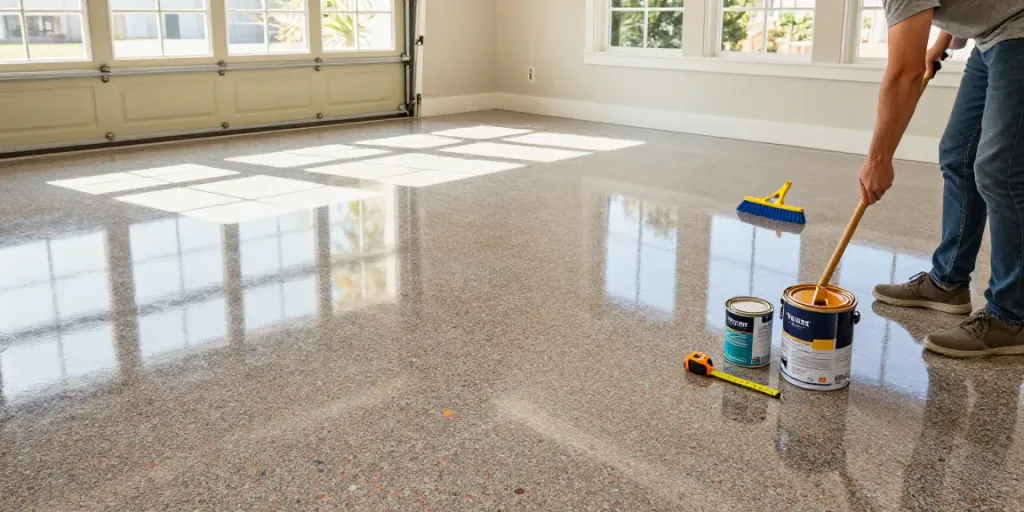
Understanding Epoxy Garage Floors
Epoxy garage floors have gained immense popularity among homeowners and commercial property managers alike due to their durability, aesthetic appeal, and easy maintenance. As a resin-based material, epoxy serves as a robust protective layer for concrete surfaces, providing enhanced resistance to stains, chemicals, and abrasions. With advances in formulation, modern epoxy products are designed to be user-friendly and environmentally responsible, catering to the growing demand for sustainable building materials.
When exploring options, Epoxy Garage Floor offers comprehensive insights into the best products available, keeping in mind both beauty and practicality.
What is an Epoxy Garage Floor?
An epoxy garage floor consists of a base layer of epoxy resin mixed with hardeners and is often enhanced with decorative flakes or colors to achieve a unique look. This combination forms a hardened plastic-like surface that bonds effectively to the underlying concrete, creating a robust, seamless finish that can withstand the rigors of everyday use. The primary appeal lies in its ability to transform a dull, worn-out concrete slab into a vibrant, glossy surface that is not only visually attractive but also functional.
Benefits of Using Epoxy for Garage Flooring
- Durability: Epoxy floors are highly resistant to impact, chemicals, and stains, making them ideal for garages where spills and heavy items are common.
- Easy Maintenance: The smooth, non-porous surface of epoxy allows for effortless cleaning, requiring only regular sweeping and occasional mopping.
- Customizable Aesthetics: With a variety of colors and finishes available, including metallic and flake systems, homeowners can personalize their space to match their style.
- Quick Installation: Most epoxy flooring applications can be completed in a day, allowing you to enjoy your new surface without a lengthy wait.
- Eco-Friendly Options: Many modern epoxy products are made with low-VOC (Volatile Organic Compounds) materials, minimizing environmental impact during application and usage.
Key Features to Consider When Choosing Epoxy
When selecting an epoxy flooring system, consider several factors to ensure you choose the right product for your garage's specific needs:
- Type of Epoxy: There are different formulations available, including 100% solid epoxy, water-based epoxy, and solvent-based epoxy. Each type has its pros and cons, affecting durability, ease of application, and environmental impact.
- Finish: Decide whether you want a high-gloss, matte, or textured finish. The finish will affect the overall appearance and slip-resistance of the floor.
- Color and Design: Epoxy flooring is available in a vast array of colors. Consider how the color will complement your garage and the rest of your home.
- Curing Time: Different products have varying curing times, influencing how quickly you can use your garage after application.
Preparing Your Garage for Epoxy Application
Proper preparation is crucial to ensure a successful epoxy flooring installation. Skipping this step can lead to poor adhesion, often resulting in peeling or bubbling of the surface. Here are the essential steps:
Essential Tools and Materials Needed
Before you begin the application process, gather the following tools and materials:
- Concrete grinder or scarifier
- Vacuum cleaner
- Epoxy flooring kit
- Paint roller and tray
- Brush for corners and edges
- Safety gear (gloves, goggles, mask)
Step-by-Step Guide to Surface Preparation
- Clear the garage: Remove any furniture, tools, and vehicles.
- Inspect the concrete: Look for cracks, pits, or stains that may affect the epoxy's adhesion.
- Clean the surface: Use a degreaser to remove oil stains, followed by thorough rinsing and drying.
- Grind the surface: Use a concrete grinder to create a rough texture, ensuring good adhesion.
- Vacuum thoroughly: Remove all dust and debris created from grinding.
Common Mistakes to Avoid During Preparation
- Neglecting to clean the concrete properly, which can lead to adhesion failure.
- Skipping the grinding step, leaving a smooth surface that the epoxy cannot adhere to effectively.
- Failing to allow sufficient drying time after cleaning or resurfacing.
Applying Epoxy: Techniques and Tips
With the preparation complete, it’s time to apply your epoxy garage floor. Follow these steps closely for a successful installation.
Step-by-Step Guide to Apply an Epoxy Garage Floor
- Mix the epoxy: Follow the manufacturer's instructions carefully when mixing the resin and hardener.
- Apply the base coat: Use a roller to apply a thin layer of the epoxy mixture, starting from the back of the garage and working towards the entrance.
- Add decorative flakes (optional): If using flakes, broadcast them onto the wet epoxy until full coverage is achieved.
- Let it cure: Allow the base coat to cure as per the product specifications before applying a topcoat.
- Apply the topcoat: Once the base is cured, apply a final topcoat for added durability.
Tips for Achieving a Professional Finish
- Work in sections to avoid the epoxy curing too quickly before you finish.
- Use a brush for edges and corners to ensure a seamless look.
- Keep the garage well-ventilated during application to facilitate curing.
Understanding Curing Times and Conditions
Curing times can vary based on temperature and humidity levels. Ideally, epoxy should not be exposed to heavy traffic for at least 72 hours after application. Full curing may take up to a week, depending on environmental conditions. Always refer to your specific product’s instructions for optimal results.
Maintaining Your Epoxy Garage Floor
After successfully installing your epoxy garage floor, ongoing maintenance will ensure it looks great and lasts for years. Here are some best practices to follow.
Cleaning and Care Best Practices
- Regularly sweep or vacuum to remove dirt and debris.
- Use mild soap and warm water for spot cleaning stains.
- Avoid abrasive cleaners that could scratch the surface.
How to Repair Scratches and Damage
Minor scratches can be repaired using a matching epoxy kit. For deeper damage, sand down the affected area before applying a fresh layer of epoxy.
Long-Term Care Tips for Your Epoxy Floor
- Reapply a clear topcoat every few years to maintain the gloss and protect against wear.
- Keep heavy objects off the floor whenever possible to prevent chipping.
- Avoid dragging large tools across the surface to minimize scratches.
Future Trends in Garage Floor Coatings for 2026
As technology evolves, so do epoxy flooring solutions. Here are some anticipated trends to watch for in 2026.
Innovations in Eco-friendly Epoxy Solutions
The demand for environmentally friendly materials continues to grow. Future epoxy products will likely feature biobased resins and improved formulations that further reduce VOC emissions, appealing to environmentally conscious consumers.
Changes in Consumer Preferences for Flooring Colors
As design trends shift, expect to see a rise in demand for bold colors and custom designs. Homeowners might opt for multiple color combinations or even personalized graphics within their garage flooring.
Predictions for Epoxy Garage Floor Technologies
Emerging technologies could introduce self-healing epoxy formulations, which automatically repair minor cracks and chips over time, significantly extending the lifespan of garage floors.
How much will it cost to epoxy a garage floor?
The cost to epoxy a garage floor varies widely based on size, materials, and labor. On average, homeowners can expect to spend between $3 to $12 per square foot, depending on the complexity of the project.
Is it worth it to epoxy a garage floor?
Considering the long-term durability, low maintenance, and aesthetic benefits of epoxy flooring, many homeowners find the investment worthwhile. It adds value to your property while providing a protected, attractive surface.
What are the downsides of epoxy garage floors?
While epoxy flooring has numerous advantages, some downsides include the need for proper surface preparation, vulnerability to UV light (which can cause yellowing), and the potential for damage from heavy impacts if not correctly installed.
How much does a 20x20 epoxy floor cost?
A standard 20x20 garage (400 square feet) can cost anywhere from $1,200 to $4,800, depending on specific choices in materials, colors, and whether you opt for a DIY approach versus hiring professionals.
What colors are available for epoxy garage floors?
Epoxy garage floors come in a wide range of colors and finishes. Popular choices include grays, blacks, blues, and sophisticated metallic finishes. You can also use decorative flakes to enhance the visual appeal.