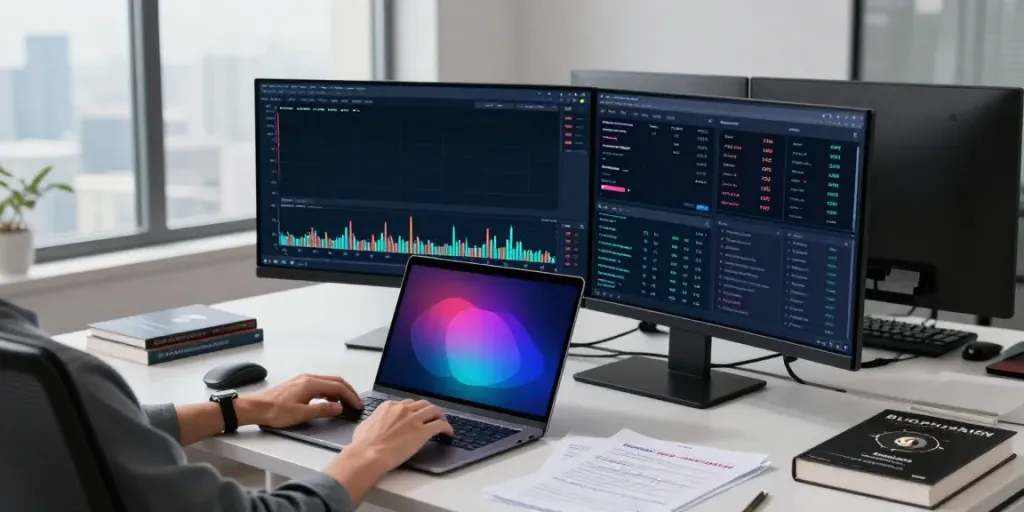
Understanding Financial Data Providers
The demand for accurate financial data is soaring as global markets thrive and digital finance evolves. In this environment, the role of financial data providers has become central for developers, traders, and research institutions needing real-time insights. When exploring options, 金融データプロバイダー 日本 provide comprehensive insights into stock market dynamics, covering everything from historical trends to real-time trading data across multiple exchanges.
What Do Financial Data Providers Offer?
Financial data providers deliver a wealth of information crucial for market players, including stock prices, trading volumes, financial statements, and historical price trends. They aggregate data across various sectors and markets, allowing users to create in-depth reports and analyses that inform investment decisions. Real-time data feeds are essential, particularly for algorithmic trading and risk management strategies.
Key Features of Top Providers
- Data Coverage: Comprehensive coverage of global markets, including major exchanges like NYSE, NASDAQ, and Hang Seng.
- Real-Time Updates: Instantaneous data feeds that support timely decision-making.
- API Access: Integration options through RESTful APIs and WebSockets for seamless connectivity.
- Competitive Pricing: Cost-effective solutions designed to meet various budget constraints.
Comparing Data Sources: Accuracy & Reliability
Data accuracy and reliability are fundamental factors when selecting a financial data provider. Users must consider how data is sourced, processed, and updated to ensure they receive the best possible information. Reliability also involves uptime statistics and the provider's commitment to data integrity, especially during peak trading hours.
The Importance of Real-Time Stock Data
Real-time stock data is a pivotal component in the financial markets, fueling the strategies of traders and analysts alike. The ability to access current and historical market data influences investment decisions and shapes trading strategies across various contexts.
Benefits of Using Real-Time Data
Utilizing real-time data offers immense benefits, including the enhancement of trading strategies through timely information, rigorous forecasting of market trends, and the facilitation of more informed investment decisions. This immediacy allows traders to react quickly to market fluctuations, thereby leveraging minute-to-minute price changes to maximize gains.
Challenges in Data Integration
Integrating real-time data into existing systems, particularly for larger firms, can present significant technical challenges. Issues such as data latency, format inconsistencies, and system compatibility must be addressed to create a seamless flow of information for users.
Real-World Applications in Trading & Research
In practice, real-time stock data fuels a range of applications from algorithmic trading systems that execute trades based on pre-defined criteria to portfolio management systems assessing asset performance continually. Furthermore, researchers rely on this data to analyze market behaviors, conduct economic forecasting, and derive insights that influence trading strategies.
Security and Compliance in Financial Data Access
Given the sensitive nature of financial data, ensuring security and compliance is paramount. Providers face increasing scrutiny in light of regulatory requirements and potential cybersecurity threats impacting the integrity of data.
Best Practices for Data Security
Implementing best practices for data security involves using encrypted communication channels, regularly updating software, and employing robust authentication measures. Additionally, providers should conduct frequent security audits and adhere to industry standards to protect data integrity.
Regulatory Compliance for Financial Data Providers
The regulatory landscape governing financial data access is rapidly evolving. Providers must comply with regulations such as the MiCA in the EU, ensuring proper data handling, and transparency in all transactions. Moreover, aligning with good practice guidelines helps maintain legitimacy and enhances trust with users and stakeholders.
Understanding Data Privacy and User Rights
User rights regarding data privacy are defined by regulations such as the GDPR in Europe, which imposes stringent requirements on how personal data is collected and processed. Financial data providers must implement measures ensuring users retain control over their information and are informed about its usage.
Emerging Trends in Financial Data Services
The financial data landscape is continuously changing, driven by technological advancements and user expectations. Emerging trends are redefining service offerings for financial data providers.
Artificial Intelligence in Data Analysis
Artificial Intelligence (AI) is transforming data analysis by automating processes and uncovering patterns that might not be immediately obvious. For example, AI-driven algorithms can predict stock market trends by analyzing vast datasets quickly, allowing for more informed trading strategies.
Decentralized Data Networks
Decentralized data networks are gaining traction, leveraging blockchain technology to secure data ownership and authenticity. These solutions reduce reliance on centralized authorities while enhancing data transparency across financial transactions.
The Future of Real-Time Financial Data in DeFi
Decentralized Finance (DeFi) is reshaping how financial services are provided, focusing on creating open and permissionless financial systems. Real-time data plays a crucial role in DeFi applications, facilitating instant transactions and smart contract executions.
Choosing the Right API: Key Considerations
When considering a financial data API, it is essential to evaluate various factors to ensure it meets your specific needs and requirements as a developer or trader.
Cost vs. Value: Making Informed Decisions
While price is important, it should not be the sole determining factor when choosing a provider. Assess the value offered, including data breadth, quality, and reliability, balanced against the cost. A more expensive solution might provide better long-term ROI through enhanced performance and support.
Performance Metrics to Evaluate
- Latency: Measure the speed of data updates.
- Uptime: Assess availability and reliability of the service.
- API Response Time: Ensure quick responsiveness of the API to requests.
- Data Accuracy: Verify the precision of the information provided.
Customer Support and Documentation Quality
Robust customer support and high-quality documentation are essential when integrating an API. Providers should offer readily accessible resources and knowledgeable support teams to assist with integration and troubleshooting.
What services do financial data providers offer?
Financial data providers offer an extensive array of services, including real-time market data feeds, historical data access, analytics tools, and custom solutions tailored to meet specific business needs across different segments.
How can I ensure the security of my financial data?
Securing financial data involves implementing strong security protocols, such as encryption, regular audits, and user education against common threats.
What are the top trends in financial data services for 2026?
Key trends include the rise of AI-driven analytics, blockchain interoperability in data sharing, and enhanced regulatory compliance frameworks shaping how data is accessed and utilized.
How do I choose the right financial data API?
Evaluate potential APIs on parameters like data coverage, integration capabilities, performance metrics, customer support, and above all, compliance with regulatory standards.
What compliance regulations should I be aware of?
While regulations vary by region and the nature of services provided, common compliance frameworks include KYC and AML procedures, data protection laws like GDPR, and securities regulations set by entities like the SEC.
Security Threats & Risk Management
The financial realm presents various risks, encompassing cybersecurity threats, fraud, and market volatility. Stakeholders must understand and mitigate these risks to protect their assets.
Common Security Threats
- Phishing Attacks: Fraudulent attempts to acquire sensitive information.
- Sim-Swap Attacks: Account takeovers through mobile provider manipulation.
- Malware: Software designed to disrupt and gain unauthorized access.
- Fake ICOs: Scams that promote non-existent tokens.
- Exit Scams: Withdrawal of funding by project creators.
- 51% Attacks: Control of the majority of a blockchain's hash rate for malicious purposes.
Provide Risk Mitigation Strategies
Mitigating risks necessitates employing due diligence, being alert for red flags, and community reputation verification before engaging with any project. Additionally, focusing on gradual investment strategies rather than all-in approaches can safeguard against major losses.
Crisis Management Tactics in Trading
- Maintain diversified portfolios to buffer against specific asset volatility.
- Establish clear stop-loss thresholds to limit potential losses.
- Utilize market sentiment indicators to gauge the overall market mood, which can inform trading decisions.
Conclusion
As the landscape of financial data continues to evolve, understanding the intricacies of data access, security, and compliance becomes increasingly vital for developers, traders, and research institutions. Staying informed about emerging trends and leveraging real-time stock data effectively can empower market participants to navigate and capitalize on opportunities in both traditional finance and the burgeoning DeFi sector. It is essential to approach cryptocurrency investments with caution, recognizing the inherent risks and volatility involved. Adhering to regulatory guidelines and implementing robust security measures can create a more secure trading environment.