Understanding Research Peptides
What Are Research Peptides?
Research peptides are short chains of amino acids that are generally used in scientific studies to investigate their effects on biological systems. These compounds serve as fundamental building blocks of proteins and play crucial roles in numerous physiological processes. Unlike traditional pharmaceuticals, research peptides often offer targeted actions with potentially fewer side effects, making them attractive options for experimentation in various domains, such as immunology, endocrinology, and molecular biology.
Importance in Scientific Studies
The importance of research peptides in scientific studies cannot be understated. They facilitate the exploration of protein synthesis, cellular signaling, and numerous metabolic pathways. By using these peptides, researchers can create models to better understand diseases, test therapeutic interventions, and even evaluate new drug candidates. This "modeling" approach has been pivotal in drug discovery and development, allowing scientists to visualize and quantify biological responses in controlled environments.
Common Applications in Research
Research peptides find applications in various fields, including but not limited to:
- Therapeutics: Peptide-based drugs designed to treat specific conditions.
- Diagnostics: Used in assays for detecting diseases or biological markers.
- Vaccines: Peptide vaccines designed to elicit immune responses.
- Performance Enhancement: Investigations into athletic performance and recovery.
Significance of Sterilization in Research
Why Sterilization Matters in Peptide Research?
Sterilization is pivotal in peptide research for several reasons. Firstly, unsterilized solutions can harbor contaminants, including bacteria and fungi, which may compromise experimental results or pose health risks to subjects. Secondly, sterilization enhances the reproducibility and reliability of research findings by eliminating variables that could skew data interpretation.
Methods of Sterilization
Several methods can be employed to sterilize peptide solutions:
- Filtration: Using membrane filters to physically remove bacteria from solutions.
- Heat Sterilization: Exposing solutions to high temperatures, although care must be taken to avoid degrading peptides.
- Chemical Sterilization: Utilizing chemical agents like ethylene oxide to kill or inactivate microorganisms.
Challenges Faced During Sterilization
While sterilization is essential, it comes with its own set of challenges. Peptides can be sensitive to heat and chemicals, leading to degradation that alters their efficacy. Moreover, ensuring the complete removal of contaminants while preserving peptide integrity requires meticulous planning and execution, which can complicate research protocols. Finding the right balance between effective sterilization and maintaining peptide functionality is an ongoing challenge in the field.
Bacteriostatic Water: A Critical Component
What is Bacteriostatic Water?
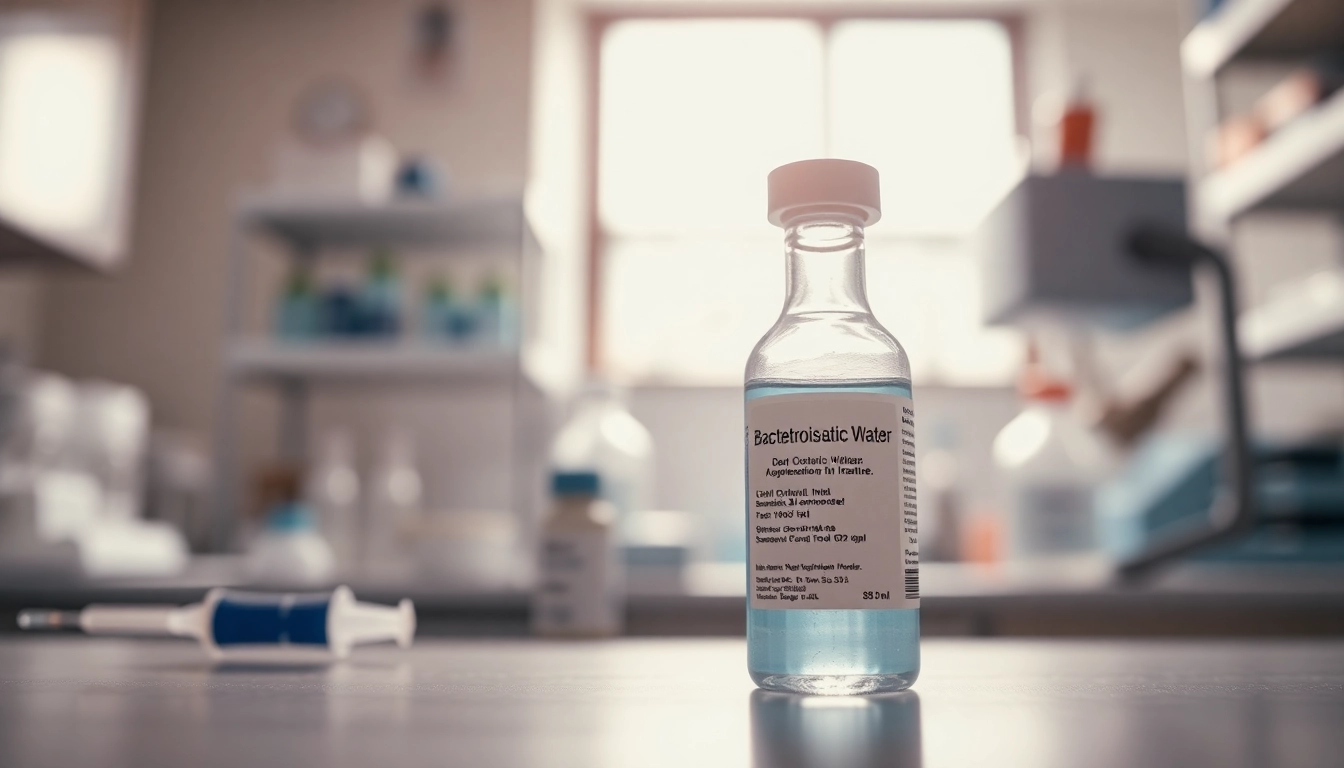
Bacteriostatic water is a sterile water solution that contains a small percentage of benzyl alcohol. Its primary use is as a diluent for medications that are intended for injection. Unlike regular saline or sterile water, its bacteriostatic properties allow for multi-dose usage, as it inhibits the growth of bacteria.
Uses in Research Settings
In research environments, bacteriostatic water is often employed for reconstituting research peptides and other medications. Its capability to sustain sterility over multiple uses makes it invaluable for studies requiring repetitious injections or doses over time. By utilizing hospira bac water, researchers can ensure their peptide solutions remain contamination-free for extended periods.
Safety and Handling Recommendations
Handling bacteriostatic water necessitates rigorous safety precautions to prevent contamination. Key recommendations include:
- Using aseptic techniques during solution preparation and injection.
- Storing the water in a cool, dark place, away from direct heat sources.
- Regularly inspecting the solution for any signs of discoloration or contamination before use.
Best Practices for Handling Peptides
Proper Storage Conditions
Proper storage conditions are crucial for preserving the integrity of research peptides. Generally, peptides should be stored at low temperatures, often between -20°C to -80°C, using airtight containers to minimize exposure to moisture and air. Avoiding freeze-thaw cycles is essential, as they can lead to degradation and loss of potency.
Administration Methods
Peptides can be administered through various routes, including subcutaneous, intramuscular, or intravenous injections. These methods may influence the pharmacokinetics and dynamics of the peptide, making it essential to choose the appropriate route based on the intended application and research objectives.
Monitoring and Testing Quality
Ensuring the quality of peptides involves rigorous monitoring and testing. High-performance liquid chromatography (HPLC) and mass spectrometry (MS) are often employed to verify purity and concentration levels. Regular assessments safeguard against the degradation of peptides and ensure that the tested compounds meet predetermined specifications for experimental use.
Future Trends in Research Peptide Development
Innovations in Peptide Research
Peptide research is witnessing unprecedented innovations, including the development of peptide libraries and combinatorial chemistry techniques that allow for the rapid synthesis of large numbers of peptides with diverse properties. These approaches enable researchers to screen for peptides with desired functionalities, accelerating the pace of discovery in drug development.
The Role of Sterile Solutions
As the demand for complex peptide formulations increases, the role of sterile solutions, such as bacteriostatic water, becomes even more critical. Innovations in sterile manufacturing processes and new sterilization technologies are emerging to enhance the consistency and reliability of peptide research materials.
Ethical Considerations in Research
The pursuit of peptide research is not without ethical considerations. As studies evolve, topics such as responsible sourcing, informed consent, and animal welfare come to the forefront. Adhering to ethical guidelines ensures not only compliance with regulations but also fosters public trust in scientific endeavors.
Frequently Asked Questions
What is the role of research peptides in the lab?
Research peptides are utilized in experiments to assess biological activity, drug efficacy, and disease mechanisms, thereby contributing to advancements in biomedical science.
How should peptides be stored?
Peptides should be stored in a cool, dry place, typically at low temperatures (-20°C to -80°C) and in airtight containers to prevent degradation.
What makes bacteriostatic water different from sterile water?
Bacteriostatic water contains benzyl alcohol, enabling it to inhibit bacterial growth, making it suitable for multi-dose vials, while sterile water does not have this property.
How do I know if a peptide is degraded?
Signs of degradation include changes in appearance, loss of functionality during tests, and results deviating from expected outcomes in assays.
Are there any health risks with research peptides?
Potential risks can arise from impurities, contamination, or incorrect dosing. Adhering to established safety protocols significantly mitigates these risks.