Understanding Bed Bugs: Identification and Behavior
What are Bed Bugs?
Bed bugs, scientifically known as Cimex lectularius, are small, parasitic insects that feed exclusively on the blood of humans and other warm-blooded animals. They typically measure between 1 to 5 millimeters in length, resembling an apple seed in shape and color. Their flattened bodies and brownish hue allow them to hide easily in cracks, crevices, and furniture. Recognizing their presence is crucial for effective bed bug control.
Signs of Infestation
Identifying a bed bug infestation can be a daunting task. Successfully pinpointing the problem requires vigilance. Key indicators include:
- Bite Marks: Red, itchy welts on the skin that often resemble mosquito bites.
- Blood Stains: Small spots of blood on bedsheets or pillowcases.
- Dark Spots: Excrement may appear as tiny brown or black spots on surfaces.
- Eggs and Shells: Tiny, pale yellow eggs and molted skins may be found in hiding spots.
Behavior Patterns and Habitats
Bed bugs are nocturnal creatures, predominantly active at night when their hosts are asleep. They prefer warm environments, making beds, couches, and other upholstery their primary habitats. They can also travel between units in apartment buildings, making them particularly difficult to eradicate. Understanding their behavior is essential for implementing effective control strategies.
Methods for Bed Bug Control
Professional Extermination Techniques
When faced with a severe infestation, professional exterminators provide the most effective solutions. Techniques can include:
- Heat Treatment: This method involves heating infested areas to temperatures exceeding 120°F (49°C), which is lethal to bed bugs. It requires specialized equipment and expertise.
- Pesticides: Professionals often use EPA-registered pesticides that specifically target bed bugs. These chemicals should be applied by trained personnel to minimize risks.
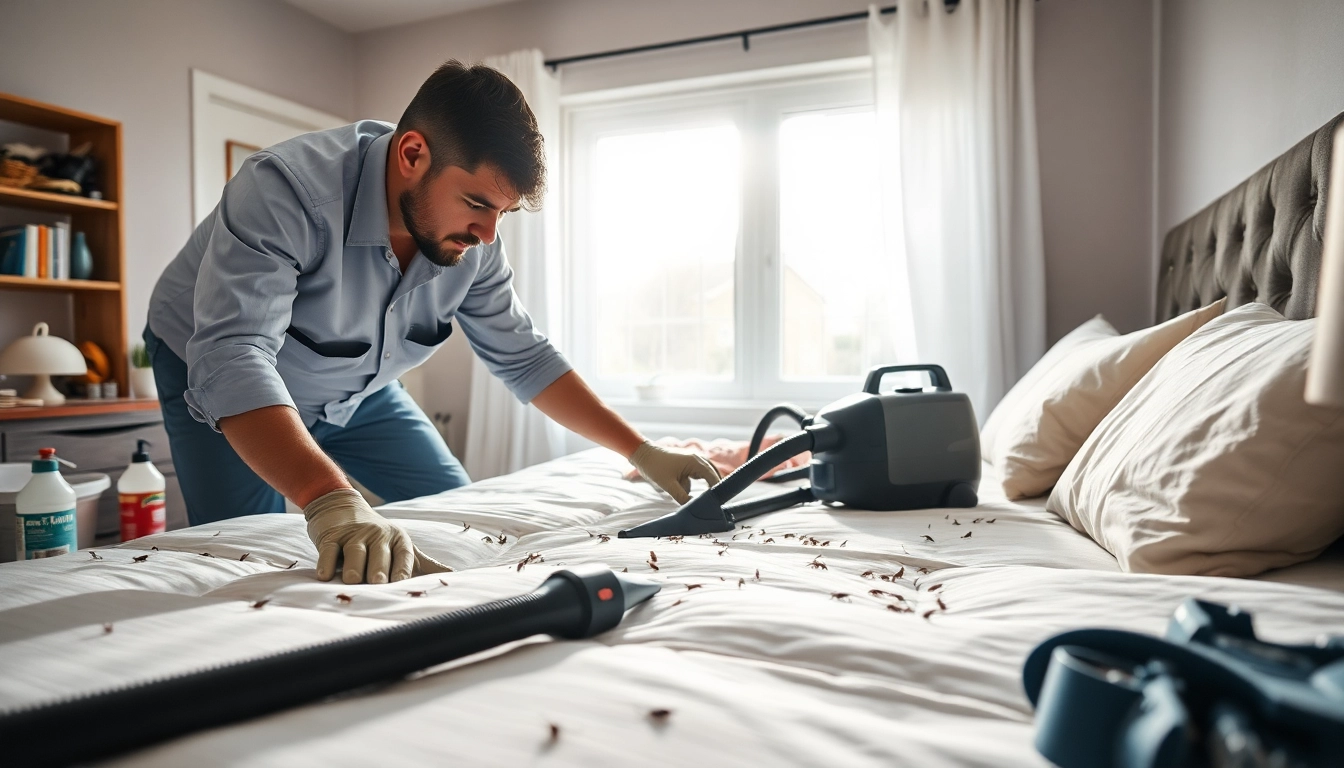
- Vacuuming: High-powered vacuums with proper attachments can effectively remove live bugs and eggs. This should be part of a comprehensive treatment plan.
Do-It-Yourself Solutions
For minor infestations, several DIY methods can help manage bed bugs, though effectiveness may vary:
- Washing: Washing and drying bedding and clothing on high heat can kill bugs and eggs.
- Steam Cleaning: Using a steam cleaner on carpets and fabrics can destroy bugs and their habitats.
- Natural Remedies: Diatomaceous earth and essential oils like lavender or tea tree oil are considered less toxic options, though their effectiveness is debated.
Preventive Measures Post-Infestation
Once bed bugs have been controlled, it's vital to implement preventive measures to avoid future infestations:
- Regular Inspections: Routine checks of sleeping areas and furniture can help catch any potential issues early.
- Encasements: Using protective covers for mattresses and box springs can prevent bed bugs from entering or escaping.
- Clutter Reduction: Keeping your environment tidy minimizes hiding spaces for these pests.
Choosing the Right Bed Bug Control Approach
Evaluating Infestation Severity
Determining the extent of an infestation is crucial for selecting the right control method. Consider factors like:
- Extent of Bites: Are bites consistent on multiple nights?
- Visible Signs: How widespread are the signs of infestation, such as fecal spots or skins?
- Location: Are there multiple rooms affected or just one?
Cost Considerations for Bed Bug Control
The cost of bed bug control measures can vary widely depending on the method chosen. DIY approaches may only require the cost of materials, while professional services may range from several hundred to thousands of dollars depending on the severity of the infestation and the size of the property. It's important to consider the long-term impact of prevention versus the immediate costs of extermination.
Long-Term Solutions for Prevention
Preventing future infestations is as important as controlling the current one. Long-term solutions may include:
- Educating Household Members: Teach others how to identify bed bugs and respond to sightings.
- Utilizing Professional Inspections: Regular professional inspections can give an added layer of peace of mind.
- Careful Travel Practices: When traveling, inspect hotel rooms for signs of bed bugs and consider using luggage encasements.
Safety Precautions During Bed Bug Control
Protecting Yourself and Your Family
Handling bed bugs can pose health risks, particularly during chemical treatments. It's essential to ensure safety by:
- Wearing Protective Gear: Gloves and masks should be worn when handling infested materials or applying chemicals.
- Keep Children and Pets Away: Ensure that none are present during treatments to avoid exposure to harmful substances.
Using Pesticides Safely
Follow instructions carefully when using pesticides. Key tips include:
- Read Labels: Understand the active ingredients and any risks associated with them.
- Application Precautions: Avoid applying in children’s rooms or areas where food is prepared.
- Follow-Up: Schedule follow-up treatments as necessary to ensure full eradication.
Minimizing Environmental Impact
Eco-friendly methods and pesticides are gaining popularity. Consider using bio-based pest control options that are less harmful to the environment and non-target species. Educating yourself on integrated pest management can also help in creating sustainable solutions.
Frequently Asked Questions about Bed Bug Control
Do Bed Bugs Spread Disease?
Bed bugs are generally not known to transmit diseases to humans; however, their bites can lead to skin infections due to itching or scratching.
How Will I Know if I Have Bed Bugs?
Common signs include itchy red bites, blood stains on sheets, and the discovery of tiny dark fecal spots around your sleep area.
Can I Control Bed Bugs Myself?
While some DIY methods can help, professional extermination services are usually more effective for severe infestations to ensure complete eradication.
How Long Does Bed Bug Control Take?
Complete eradication can take several weeks and often requires multiple treatments, depending on the size of the infestation and the control methods used.
What Should I Do If I Find Bed Bugs?
If you discover bed bugs, isolate infested items, reduce clutter, and consider contacting a pest control expert for effective management.