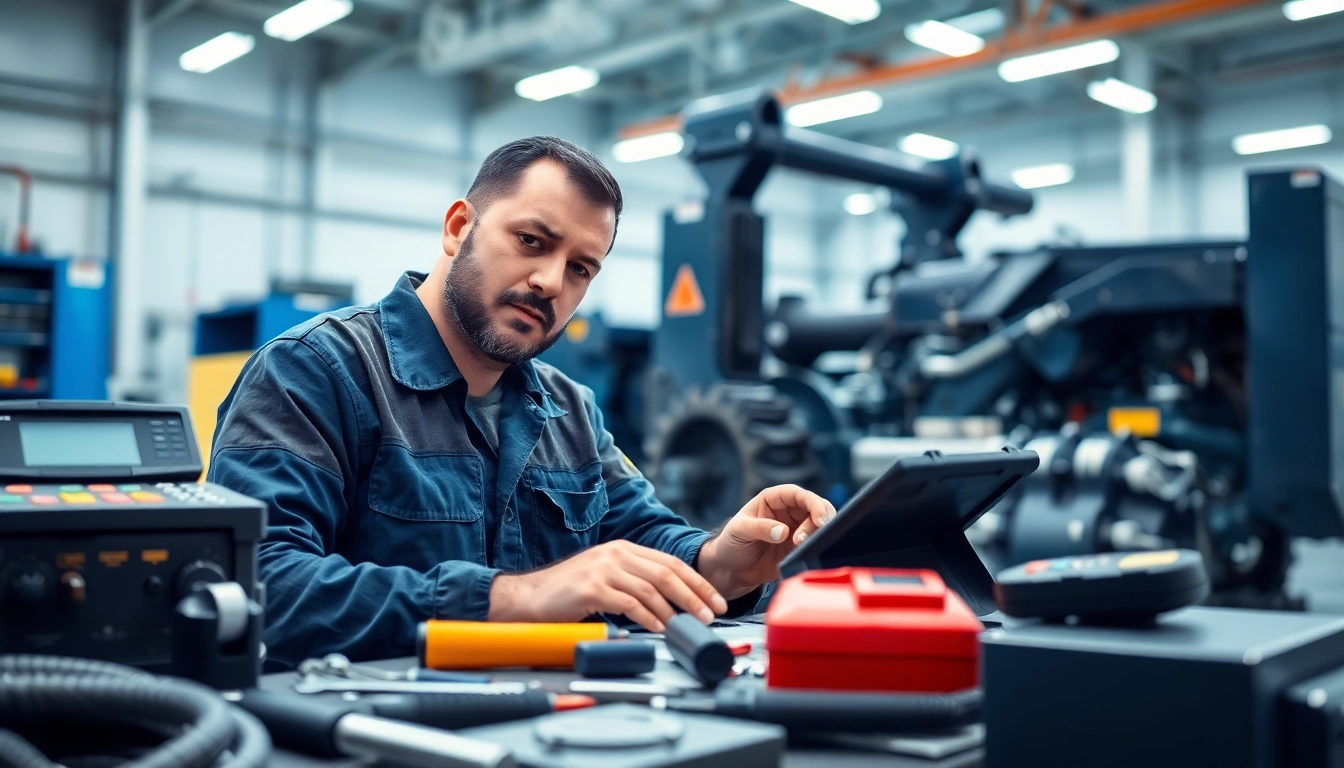
Understanding Equipment Service: A Comprehensive Overview
In today's fast-paced industrial world, equipment service has become a crucial component of machinery and tool management. Organizations across various sectors rely on their equipment to function optimally, which underscores the importance of regular maintenance, timely repairs, and expert servicing. This article aims to delve into the multifaceted world of equipment service, covering its definition, types, benefits, common challenges, best practices, and how to choose the right service providers.
Definition and Importance of Equipment Service
Equipment service refers to the regular maintenance, repair, and inspection of machinery, tools, and systems used in various industries. The significance of equipment service cannot be overstated; it ensures that machinery operates efficiently, reduces downtime, and extends the lifespan of equipment. Regular service can prevent unforeseen breakdowns, which can lead to costly downtimes and delays in production.
Types of Equipment Service Available
There are several types of equipment service available, each tailored to meet different operational needs:
- Preventive Maintenance: Scheduled inspections and replacements designed to prevent equipment failures before they occur.
- Corrective Maintenance: Actions taken to repair equipment after it has failed or malfunctioned.
- Predictive Maintenance: Uses data analysis and monitoring tools to predict when equipment will require maintenance.
- Emergency Repairs: Urgent services needed when a critical piece of equipment breaks down unexpectedly.
Key Benefits of Regular Equipment Service
Investing in regular equipment service yields numerous benefits:
- Increased Equipment Lifespan: Consistent maintenance can significantly extend the working life of machinery and tools.
- Improved Performance: Regular servicing ensures that equipment operates at peak efficiency, leading to superior productivity.
- Reduced Downtime: Well-maintained equipment is less likely to break down, which minimizes lost time and potential revenue.
- Safety Assurance: Keeping equipment in good condition reduces health and safety risks for operators and workers.
Common Equipment Service Challenges and Solutions
Identifying Common Issues in Equipment
Some of the most prevalent issues affecting equipment include:
- Wear and Tear: Regular use can lead to physical degradation of parts.
- Improper Usage: Equipment not operated according to specifications can suffer operational failures.
- Lack of Training: Unsuitable knowledge and skill levels among operators can exacerbate maintenance issues.
Proactive vs Reactive Equipment Service Strategies
Organizations can adopt either proactive or reactive equipment service strategies:
- Proactive Strategies: Focus on regular maintenance schedules, inspections, and training personnel to prevent issues before they arise.
- Reactive Strategies: Rely on addressing problems only after they occur, leading to potential high-cost emergency repairs and longer downtimes.
Cost Considerations for Effective Equipment Service
The cost of equipment service can vary widely based on several factors:
- Type of Equipment: Larger and more complex machinery often requires higher service costs.
- Frequency of Maintenance: A more regular service schedule may incur ongoing costs but can prevent larger expenses down the line.
- Type of Service: Emergency repairs generally cost more than routine maintenance.
Best Practices for Equipment Service Management
Establishing a Maintenance Schedule
Creating a maintenance schedule is essential for effective equipment management. Regularly scheduled maintenance can keep equipment functioning optimally and minimize the chances of unexpected breakdowns. Consideration should be given to the manufacturer's recommendations and operational demands in developing this schedule.
Utilizing Technology for Enhanced Equipment Service
Technology plays an essential role in modern equipment service. Using sophisticated monitoring tools and diagnostic software, organizations can collect real-time data about equipment performance. Implementing IoT (Internet of Things) sensors can facilitate predictive maintenance, allowing for timely interventions that reduce downtime.
Regular Training for Service Technicians
Ensuring that service technicians receive consistent training is vital. Technology and machinery are continually evolving, and technicians must stay updated on the latest repair techniques and equipment functionalities. Continued education can significantly enhance the quality of service provided.
Evaluating Service Providers for Equipment Service
What to Look for in a Service Provider
Choosing the right service provider for equipment service is critical. Key considerations include:
- Expertise: Look for providers with qualified technicians who have extensive experience in servicing the specific type of equipment.
- Reputation: Check reviews and testimonials to gauge the provider’s reliability and quality of service.
- Response Time: Evaluate how quickly they can respond to service requests, especially for emergencies.
Questions to Ask Potential Service Providers
Before selecting a service provider, ask pertinent questions including:
- What kind of warranties do you offer on parts and labor?
- How do you handle emergencies or urgent repairs?
- Can you provide client references or case studies?
Comparing Quotes and Services Offered
After gathering quotes from potential service providers, it's essential to compare not just the price, but also the included services. Look for a balance between cost and the comprehensiveness of the services offered to ensure you're making a wise investment.
FAQs about Equipment Service
What does equipment service include?
Equipment service typically includes maintenance, repair, inspections, and parts replacement to ensure machinery operates efficiently and safely.
How often should equipment service be performed?
The frequency of service can vary depending on equipment usage but generally ranges from quarterly to annually based on manufacturer recommendations and operational needs.
What are the signs that equipment needs servicing?
Common signs include unusual noises, performance lags, warning lights, and irregular vibrations. Any of these may indicate that servicing is required.
How can I choose the right service provider?
Evaluate their expertise, reputation, response times, and service offerings. It’s also beneficial to gather reviews and confirm their qualifications.
What is the cost range for equipment service?
Cost can vary significantly based on equipment type, service frequency, and emergency nature, typically ranging from a few hundred to several thousand dollars.