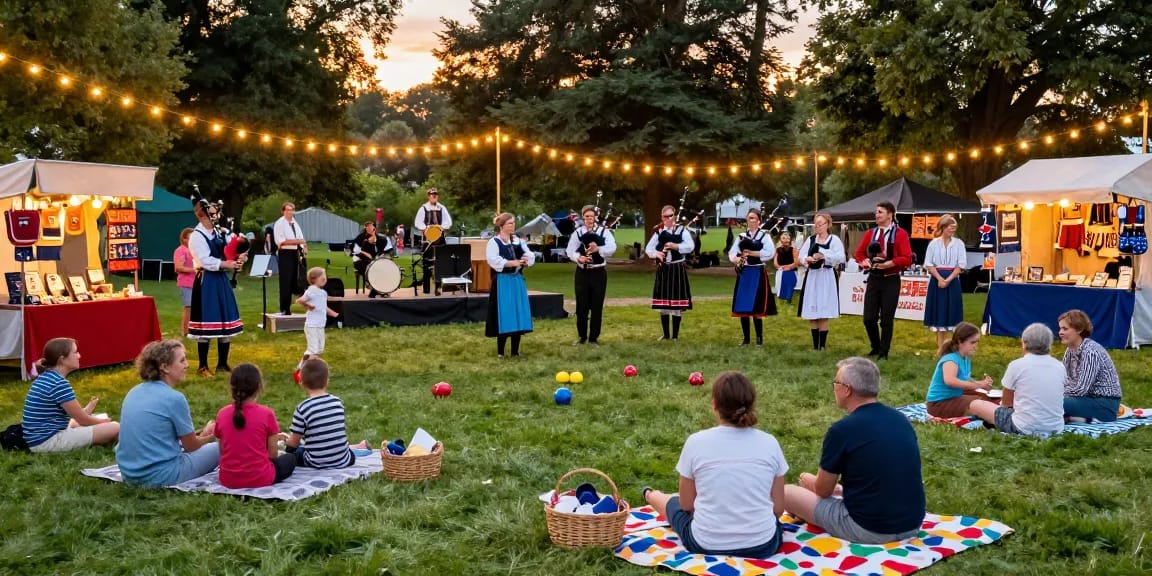
Understanding the Importance of Cultural Events
Cultural events serve as vital expressions of community identity and heritage, bringing people together to celebrate shared traditions, art, and ideas. These gatherings foster engagement and promote understanding among diverse groups, enhancing local culture while boosting economic vitality. In regions like the Pays de Rennes, cultural events have become instrumental in preserving and promoting Breton culture. When exploring options, เกมสล็อต offers comprehensive insights into the importance of cultural activities in community development.
What are Cultural Events?
Cultural events encompass a broad range of activities designed to celebrate and promote artistic expressions, heritage, and local traditions. These can include festivals, art exhibitions, performances, workshops, and food fairs. In the context of Brittany, cultural events may feature traditional music, dance, and crafts, providing a platform for both established and emerging artists to showcase their work.
The Impact of Cultural Events on Community Engagement
Community engagement is greatly enhanced through cultural events that encourage participation and collaboration among residents. These gatherings act as a catalyst for conversations, helping to bridge gaps between various social, economic, and cultural groups. Engaging with local culture fosters a sense of belonging and pride, and can significantly impact the quality of life for community members.
Benefits of Promoting Local Art and Artists
Promoting local artists not only showcases the unique talents within a community but also stimulates economic growth through increased tourism and local spending. Events that highlight local art contribute to building a vibrant cultural scene, attracting visitors and enhancing the community's overall appeal. Additionally, showcasing artists reinforces cultural heritage, ensuring that traditional crafts and performances are cherished and passed down through generations.
Planning Successful Cultural Festivals
Successfully planning a cultural festival involves careful consideration of various elements that contribute to its overall effectiveness and impact. From determining the festival's purpose to crafting a compelling program, each step requires attention to detail and community insight. Engaging local stakeholders early in the planning process can lead to more inclusive and well-supported events.
Key Steps in Organizing a Festival
Organizing a cultural festival starts with defining its objectives. Is the aim to promote local artists, engage youth, or celebrate a particular aspect of culture? Once the goals are established, key logistical aspects must be addressed, including venue selection, scheduling, and permits. Seeking community input can help tailor the festival to local tastes and interests, ensuring stronger participation.
Budgeting and Funding Strategies for Cultural Events
Budgeting is crucial for the success of any cultural event. Organizers should start by estimating costs for venue rental, permits, promotions, staffing, and essentials such as sound and lighting equipment. Funding can come from a variety of sources, including grants, sponsorships, and ticket sales. Engaging with local businesses for sponsorship can be beneficial, as it fosters a sense of community investment in cultural activities.
Engaging Stakeholders and Community Partnerships
Building strong partnerships is essential for the sustainability of cultural festivals. Collaboration with local schools, artists, and civic organizations can enhance the reach and impact of events. By involving diverse stakeholders in the planning process, organizers can ensure that the festival reflects the community's character and values, thereby increasing attendee satisfaction and engagement.
Marketing Strategies for Cultural Events
Effective marketing is vital for drawing attendance and raising awareness about cultural events. Utilizing a mix of traditional and digital marketing strategies can help maximize outreach and attract a diverse audience.
Using Social Media for Promotion
Social media platforms are powerful tools for promoting cultural events, allowing organizers to reach broader audiences quickly and efficiently. Platforms like Facebook, Instagram, and Twitter can be used to share event details, engage with potential attendees, and create buzz leading up to the occasion. Live streaming events or sharing behind-the-scenes content can further enhance engagement and interest.
Creating Compelling Content for Your Events
Content creation is key to effective marketing. Well-crafted narratives about the event, its purpose, featured artists, and the cultural significance of its activities can draw interest. Visual elements like flyers, videos, and engaging posts can capture attention and encourage sharing, amplifying the event's visibility.
Effective Outreach to Diverse Audiences
Outreach strategies should be inclusive and consider the varying demographics within the community. Tailoring messaging for different groups ensures that the event appeals to a broad audience. Collaborating with local organizations that serve diverse populations can facilitate deeper engagement and broaden the festival's reach.
Enhancing Attendee Experience
Creating a memorable experience for attendees should be at the forefront of planning cultural events. A positive experience encourages not only participation but also repeat attendance in future years.
Activities That Engage Participants
Incorporating a variety of activities can enhance the attendee experience. This can include interactive workshops, local food stalls, live performances, and art displays. Providing opportunities for participation—such as dance lessons or craft-making sessions—can immerse attendees in the cultural experience, making it more enjoyable and impactful.
Creating an Inclusive Environment
Inclusivity is essential for the success of cultural events. Ensuring that activities are accessible to all, including those with disabilities, creates an environment where everyone feels welcome. Additionally, offering programming that represents different cultures and communities can enrich the festival and promote a sense of belonging among attendees.
Feedback Mechanisms for Continuous Improvement
Gathering feedback from attendees after the event can provide valuable insights for future planning. Surveys conducted during or after the festival can help organizers understand what worked well and what could be improved. Listening to community feedback demonstrates a commitment to meeting the needs and preferences of local residents.
Future Trends in Cultural Event Organization
The landscape of cultural event organization is constantly evolving. Staying informed about emerging trends can help organizers adapt and innovate, ensuring that events remain relevant and engaging.
Leveraging Technology in Festival Planning
Technology plays an increasingly vital role in cultural events, from ticket sales to audience engagement. Utilizing apps for event scheduling, networking, and sharing real-time updates enhances the attendee experience. Furthermore, virtual and hybrid event options have emerged as important considerations, allowing broader participation regardless of physical location.
Embracing Sustainability in Cultural Events
With growing awareness of environmental issues, many festivals are adopting sustainable practices. This includes sourcing local food, minimizing waste, and using eco-friendly materials. By prioritizing sustainability, cultural events can appeal to environmentally conscious attendees while also setting a positive example for the community.
Adapting to Changing Audience Preferences
As societal norms and preferences evolve, so too must cultural events. Understanding shifts in audience demographics and interests will be crucial. Whether it’s incorporating contemporary art forms or addressing current social issues, being flexible and responsive ensures that festivals continue to resonate with attendees.