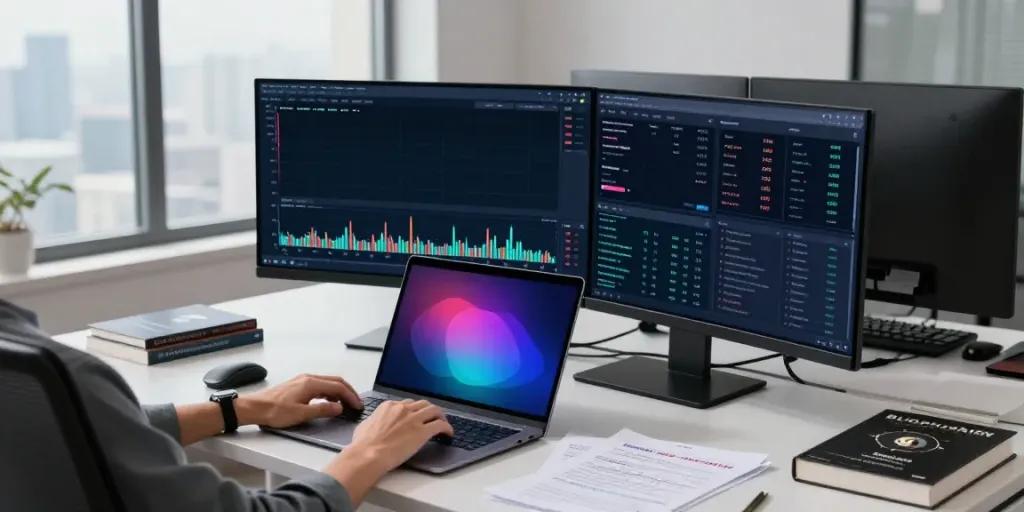
Understanding Real-Time Market Data: Fundamentals of 实时行情API
As blockchain technology progresses and financial ecosystems thrive in decentralized architecture, the demand for real-time data has surged. Financial institutions, developers, and trading platforms are turning to novel solutions that promote efficiency and responsiveness. In this dynamic landscape, 实时行情API emerges as a vital tool, offering low-latency market data that significantly enhances trading strategies and decision-making.
What is a Real-Time Market Data API?
A Real-Time Market Data API acts as a bridge between data sources and end-users, allowing apps and platforms to retrieve up-to-the-minute information on various asset classes. This API provides critical market insights including stock prices, cryptocurrency values, forex rates, and commodities, all of which are essential components for making informed trading decisions. Developers can integrate these APIs into their applications, thus gaining access to historical and live data seamlessly.
Importance of Low Latency in Trading
In trading, milliseconds can mean the difference between profit and loss. Low latency ensures that traders receive and act on market data as quickly as possible. High-frequency trading (HFT) greatly benefits from this, as algorithms rely on rapid data to execute trades automatically. With real-time APIs like 实时行情API, even retail traders can compete more effectively, making data-driven decisions swiftly and accurately.
How 实时行情API Enhances Trading Strategies
The integration of 实时行情API into trading platforms facilitates improved analytical capabilities. By providing instant access to real-time data, traders can monitor price actions, detect trends, and implement strategies such as technical analysis with tools like Moving Averages and Relative Strength Index (RSI). This capability allows traders to capitalize on market fluctuations while minimizing risk.
Types of Assets Covered by Real-Time APIs
Real-time APIs encompass various asset classes, making them versatile tools for traders and financial analysts. They typically cover:
- Stocks: With data from over 50 exchanges globally, traders can access stock quotes and historical performance metrics.
- Cryptocurrencies: APIs provide essential data on thousands of cryptocurrencies, facilitating thorough analysis and investment decisions.
- Foreign Exchange (Forex): Real-time updates on currency pairs are crucial for forex trading, enabling informed decisions based on market movements.
- Indices and Commodities: APIs track performance indices and commodities, providing critical data that influence market sentiment.
- Funds: This includes both publicly and privately offered funds, essential for asset management applications.
- Futures: With futures markets tied to commodities and financial instruments, real-time data is indispensable.
Cryptocurrencies: Bitcoin, Ethereum, and Beyond
The rise of cryptocurrencies like Bitcoin (BTC) and Ethereum (ETH) reflects a seismic shift in the financial landscape. Real-time APIs deliver instantaneous updates on these and other digital currencies, making it easier for traders to evaluate market dynamics and optimize their trading strategies. Furthermore, APIs also facilitate access to decentralized finance (DeFi) platforms, where users can earn yield through staking and liquidity provisions.
Forex and Its Influence on Cryptocurrency Prices
The forex market is the largest and most liquid market globally. Fluctuations in currency values can influence cryptocurrency prices. For instance, when traditional fiat currencies weaken, investors may flock to cryptocurrencies as a safe haven, thus impacting their prices. Utilizing a robust real-time market data API allows traders to correlate forex movements with cryptocurrency performance, aiding in comprehensive risk assessment.
Stock Market Analysis via 实时行情API
Analyzing stock market performance through a robust 实时行情API enables traders to derive insights based on real-time data. Investors can instantly access changing stock prices, facilitating the development of short-term trading strategies or long-term investment planning. Additionally, these APIs often provide historical data, allowing for trend analysis and market forecasts.
Integrating Real-Time APIs into Trading Applications
Implementing a real-time market data API within trading applications enhances functionality while improving user experience. Let's explore how this integration can be achieved effectively.
Utilizing WebSocket vs RESTful API for Data Access
Understanding the nuances between WebSocket and RESTful API protocols is essential for developers. WebSocket provides a persistent connection that allows for real-time data flow, making it ideal for scenarios requiring high-frequency updates, such as price changes in fast-paced markets. In contrast, RESTful APIs, which function on a request-response model, are suitable for retrieving static or less frequently changing data. Both have unique advantages and can be used complementarily, depending on specific application needs.
Creating Automated Trading Systems with 实时行情API
Automated trading systems leverage algorithms to make trading decisions based on pre-set parameters. Integrating 实时行情API allows these systems to adjust in real-time, responding to market volatility instantly. Through the implementation of complex algorithms and trading strategies, users can create bots that trade 24/7, maximizing potential profits and mitigating risk while adhering to established investment criteria.
Key Security Practices for API Integrations
Securitizing API integrations is paramount to protecting sensitive information and preventing unauthorized access. Key practices include using HTTPS to encrypt data in transit, implementing OAuth authentication methods, and regularly rotating API keys. Developers should also incorporate rate limiting to protect against abusive access and monitor for any anomalous activity that may indicate a security threat.
Emerging Trends in Cryptocurrency and Market Data APIs
As the blockchain landscape evolves, several trends have emerged that are reshaping the market data API domain.
Decentralized Finance (DeFi) and Its Impact
DeFi represents a paradigm shift in the financial sector, attempting to eliminate intermediaries through blockchain technology. Real-time market data APIs are essential for DeFi platforms, enabling users to analyze and interact with protocols efficiently. For example, yield farming and liquidity pool applications significantly rely on accurate, real-time data to facilitate transactions and optimize returns.
Smart Contracts and Their Role in Data Accuracy
Smart contracts automate transactions on blockchain networks, ensuring accuracy and security. When integrated with real-time market data APIs, smart contracts can execute self-enforcing agreements, significantly minimizing the potential for human error or manipulation. This innovation enhances trust in the trading ecosystem.
The Future of Market Data APIs in Blockchain
The ongoing development of blockchain technology continually shapes the future of market data APIs. As more assets become tokenized and integrated with distributed ledger technology, real-time APIs will need to adapt to support a broader array of applications across multiple blockchain networks. This flexibility will enable developers to craft sophisticated trading solutions that cater to expanding market needs.
Best Practices for Using Real-Time Market Data
While the utilization of real-time APIs offers numerous advantages, adhering to best practices ensures optimal performance and compliance with regulatory standards.
Compliance and Regulatory Considerations in 2026
The regulatory landscape for cryptocurrency and market data is continually evolving. As of 2026, compliance with legal frameworks such as the SEC regulations and the EU's Markets in Crypto-Assets (MiCA) regulation becomes critical. Organizations must ensure that the APIs they use adhere to the latest standards to avoid potential penalties.
Assessing Market Risks with 实时行情API
Market risks are inherent in trading, but utilizing a real-time API can help assess and mitigate these risks effectively. By providing instant updates on market movements, traders can evaluate potential threats and adjust their strategies accordingly, minimizing exposure during volatile periods.
Enhancing Investment Strategies through Data-Driven Insights
Data-driven decision-making is paramount in a successful investment strategy. Leveraging real-time data from APIs allows traders to pivot quickly based on market analysis, improving overall performance. By implementing insights gained from data, investors can refine their portfolios to react to changing market conditions.
How to Protect Yourself Against API Security Threats
Security threats related to API integrations can have significant repercussions. Implementing preventive measures such as regular audits, employing whitelisted IP addresses, and utilizing encryption technologies can greatly enhance security. Additionally, thorough staff training on potential security threats can help create a keen awareness of the dangers, further protecting assets.
Staying Ahead: Future-Proofing Your Investment Strategy
Adopting and adapting to changes in technology is crucial for maintaining an effective investment strategy. Staying informed on market trends, new technologies, and regulatory changes, particularly within blockchain ecosystems, will empower traders to optimize their operations and capitalize on emerging opportunities.
FAQs on Real-Time Market Data APIs
What is a Real-Time Market Data API?
A Real-Time Market Data API enables traders and developers to access up-to-the-minute data about various asset classes, helping them make informed trading decisions.
How to Securely Use API Data for Crypto Trading?
Secure usage of API data for crypto trading involves implementing robust authentication processes, using encrypted connections, and maintaining key management best practices.
What are the Benefits of Low Latency in Trading?
Low latency enhances trading efficiency by ensuring traders receive and act on market data without delay, which is crucial for high-frequency trading and quick decision-making.